BDA partners with 11 NGOs to save 1.5 million saplings in three Bengaluru layouts
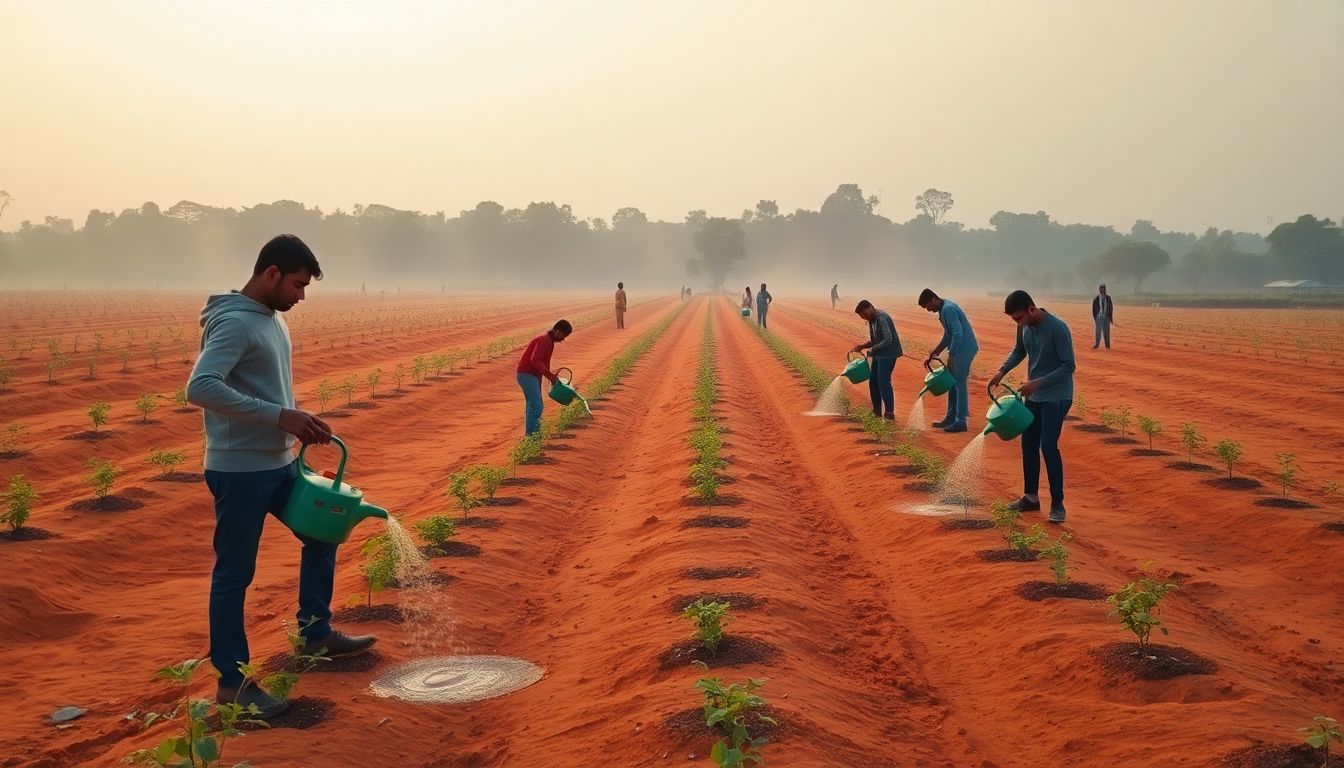
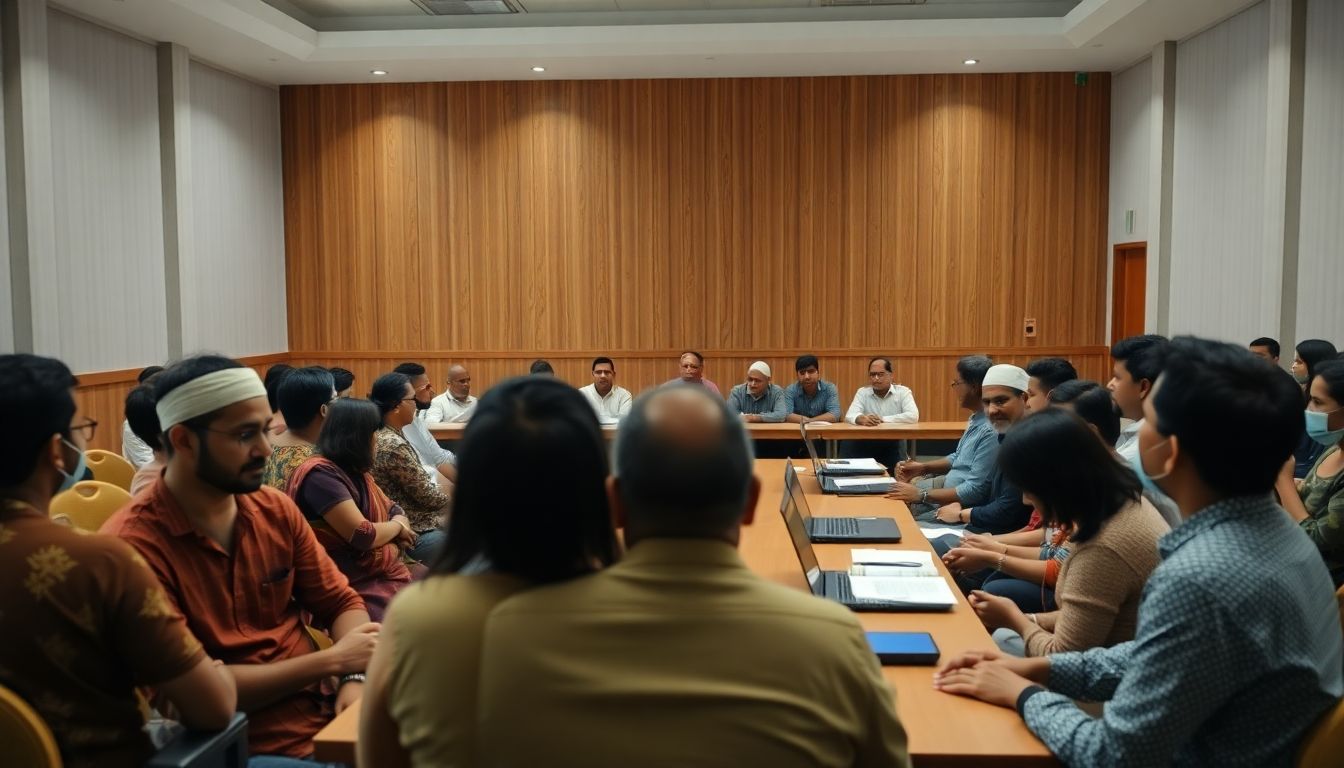
The Bangalore Development Authority (BDA) recently signed three-year agreements with 11 non-governmental organisations (NGOs) to maintain and water 1.5 million saplings across three major areas in Bengaluru. The conservation effort will cover 244 acres at 131 locations across Dr Shivaram Karanth Layout, Nadaprabhu Kempegowda Layout, and Banashankari 6th Stage. The initiative is part of the BDA's Environment Restoration Project 2026–30, which aims to restore the city's traditional 'Garden City' status.
The decision followed growing concerns that most of the saplings, which were originally planted during a record-setting Guinness Book of Records event, were dying. To ensure their survival, the BDA partnered with the NGOs to manage the daily upkeep. The plantations include native species, shrubs, and medicinal plants cultivated using the Miyawaki method.
Funding for the maintenance project will be sourced from corporate social responsibility (CSR) funds. Under the three-year agreement, these corporate funds will be released directly to the 11 NGOs based on performance reports. While the NGOs will handle the day-to-day watering and maintenance, the BDA will oversee the overall implementation and provide necessary infrastructure support.
To counter the effects of inadequate monsoon rainfall, the BDA has directed officials to secure uninterrupted watering for the saplings. This directive includes drilling new borewells wherever they are required. So far, 23 borewells have already been drilled, with 22 proving successful and only one failing.
If groundwater resources fall short, the authority is considering alternative options, including using treated water supplied by the Bengaluru Water Supply and Sewerage Board (BWSSB).
Additionally, BDA officials have been instructed to conduct regular inspections to ensure high survival rates among the plants. The authority is also exploring the installation of drip and sprinkler irrigation systems, constructing protective fencing around the plantation sites, and replacing any saplings that fail to survive.