Bengaluru CBSE Schools Raise Concerns Over Mandatory Kaushal Vikas Subject
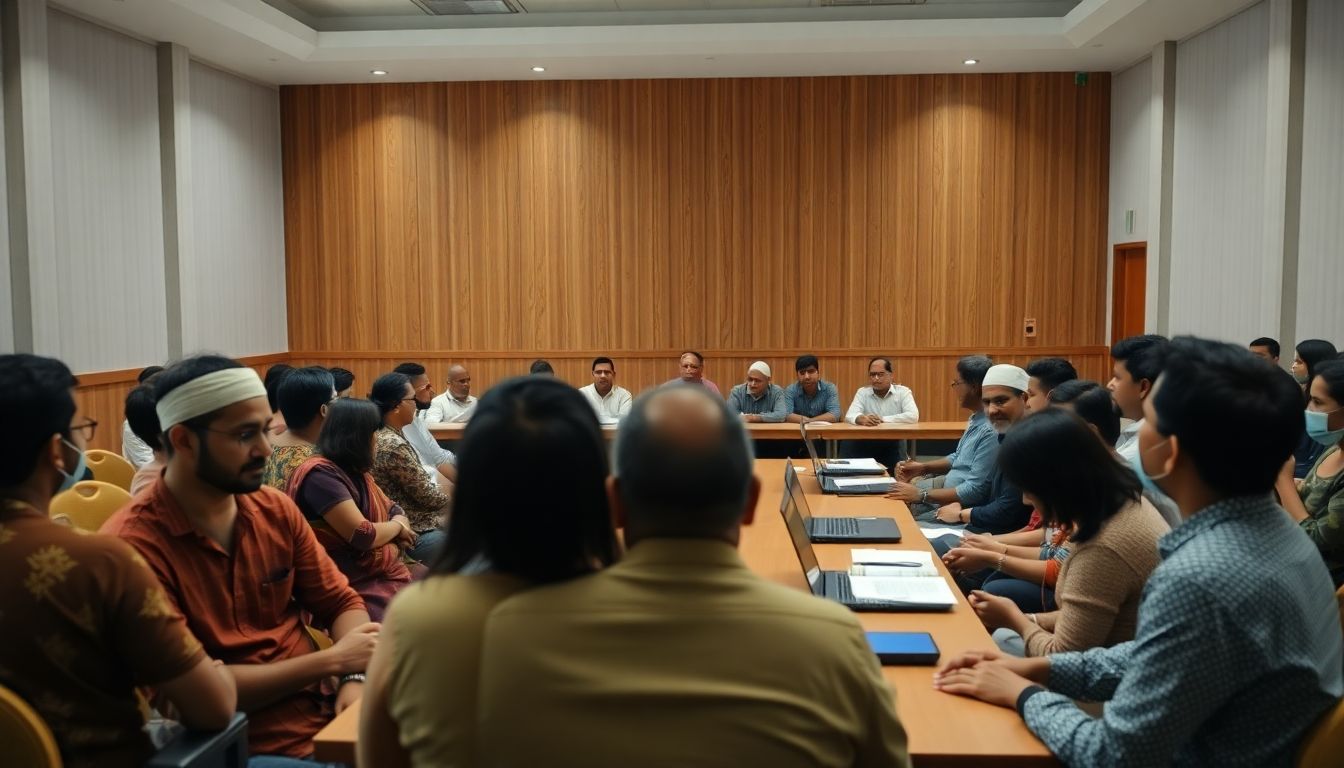
CBSE schools in Bengaluru, including institutions in Sarjapura Road, Yelahanka, and Padmanabha Nagar, have raised concerns over the Central Board of Secondary Education’s (CBSE) decision to make 'Kaushal Vikas' (Vocational Education) a mandatory subject for Class IX students. Introduced under the National Curriculum Framework for School Education (NCF-SE) 2023, the subject will become compulsory starting in the 2026-27 academic year. The requirement will extend into the 2027-28 academic year for Class X, with the marks directly contributing to final board exam results.
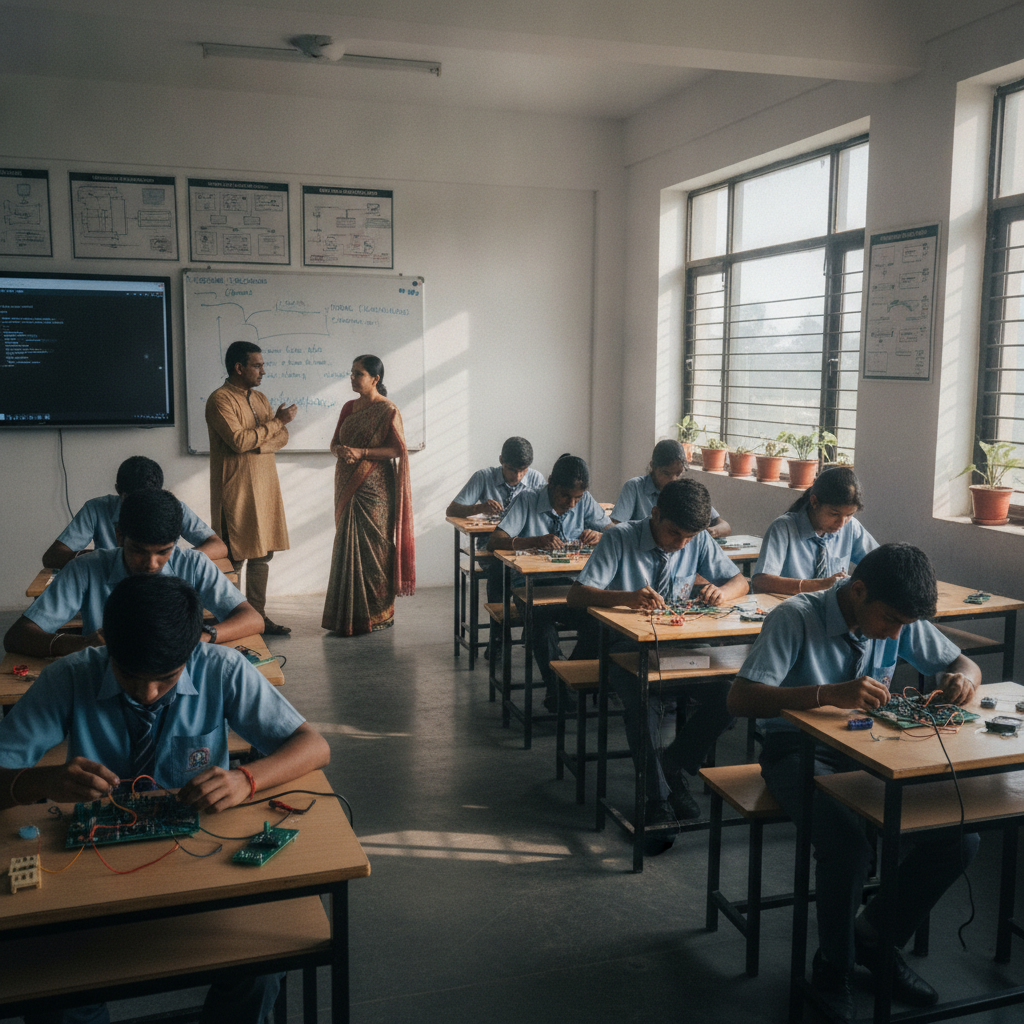
Local school administrators have pointed out significant administrative and financial challenges. A principal of a CBSE school on Sarjapura Road explained that school budgets and teacher recruitments are finalized months in advance, typically around October and November. With the circular arriving abruptly, schools are now struggling to restructure their weekly timetables and recruit qualified personnel to teach the new curriculum. The subject requires a total of 110 hours or 132 periods per academic year, distributed across five periods a week.
Academic pressure is another major concern. A principal from Yelahanka noted that Class IX and X students are already preparing for competitive exams like NEET, JEE, and CET. While schools previously offered optional clubs for creative and technical skills, making vocational education a graded, mandatory subject adds an extra burden on students.
In Padmanabha Nagar, a school principal questioned the feasibility of the sudden directive, urging Bengaluru schools to collectively write to the CBSE. The principal highlighted the difficulty of immediately hiring specialized "Skill Education Teachers" or finding external experts to train existing staff in diverse vocational fields like pottery, tailoring, or agriculture.
The Kaushal Vikas textbook comprises three main units: Work with life forms (including agriculture and terrace gardening), Work with machines and materials (covering tailoring and packaging), and Work in Human Services (including healthcare, tourism, and food processing). Students must choose one or two vocations, work in groups, and present their projects. The 100-mark assessment allocates 25 percent to a written test, 20 percent to demonstrations and vivas, 5 percent to site visits, 30 percent to portfolios, and 20 percent to teacher observations.