Bengaluru Club Airbenders Wins Gold at TRIO Ultimate Frisbee Tournament
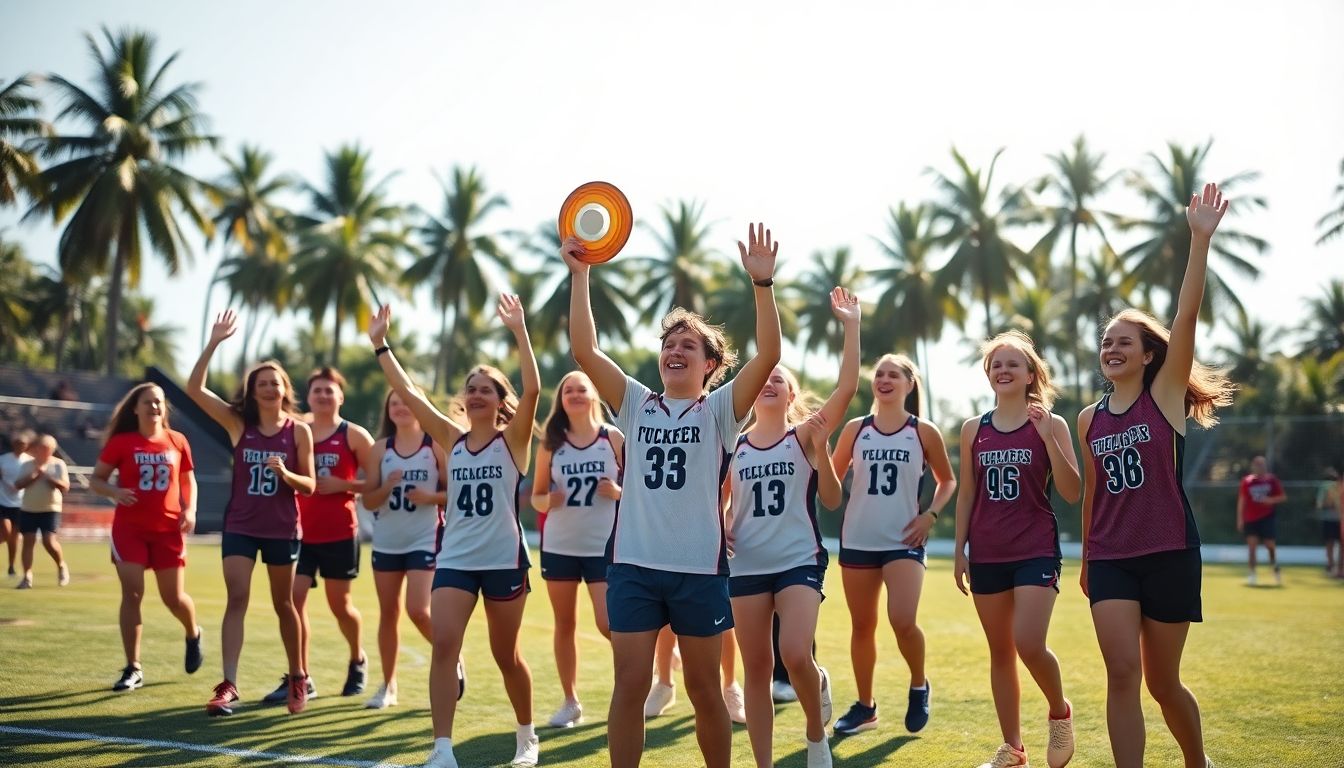
Bengaluru-based Ultimate Frisbee club, Airbenders, won the gold medal in the 'mixed' category at the TRIO Invitational Tournament 2026 at the Equestrian Park in Putrajaya, Malaysia, on July 5, 2026. The victory marks a highly significant milestone for the sport in India, representing a rare international success for a domestic club team rather than a national selection team.
The Airbenders clinched the top spot in the mixed division, which tournament director Ong Ben Jin described as the toughest division in this year's competition. The Bengaluru squad was one of three Indian club teams that traveled to compete in the tournament, alongside Air Traffic Control and No Fly Zone.
"It is a surreal feeling and a super emotional one," said Sahana Arvind, one of the Spirit captains for the Airbenders. Arvind, who joined the club in 2015, about three years after its inception, credited the victory to the foundation laid by previous players and the team's hunger to succeed.
The team’s co-captains, Sagarika Ghanagam and Ajay Yadav, emphasized the long-term dedication that led to the gold medal. Ghanagam noted that the club trains together every weekend. "The fact that we have a common goal and passion drives us to do better and stick together," she said.
According to Abhinav Vinayak Shankar, the tournament’s Spirit director and vice-president of the Asia Flying Disc Federation, the win is a major indicator of the domestic game's progress. Shankar explained that while national teams bring together the best players from across India, a club team represents a group of people building together over time.
"So, for a club to travel abroad, compete against strong international teams, and win is a really meaningful marker of how much the domestic game has grown," Shankar said. He added that the victory gives the rest of the Indian Ultimate Frisbee community a visible benchmark.
The sport, which is believed to have arrived in India in the late 1990s, remains an emerging game locally. Shankar acknowledged that India still faces gaps in infrastructure, systems, and resources compared to established countries like the United States, Canada, Japan, or Australia, but noted that the playing level of Indian teams is improving rapidly.