Bengaluru Electric Bus Deployment Sparks Dispute Over Funding and Operational Failures
A political and operational dispute has erupted in Bengaluru over the deployment of electric buses, with BJP MP Tejasvi Surya and Karnataka Transport Minister Byrathi Suresh clashing over funding gaps and rising operational failures of the city's privately managed fleet.
The controversy intensified after Surya accused the State Government of delaying approvals for centrally supported electric buses. In response, Suresh questioned the financial model of the initiative, arguing it imposes a massive recurring burden on the state exchequer while failing to address persistent operational challenges.
Under the Gross Cost Contract (GCC) model, Karnataka plans to procure 4,500 electric buses over eight years. While the Union Government contributes Rs 30 lakh to Rs 35 lakh per bus, the State must bear the recurring operational costs paid to private contractors based on kilometres operated. Suresh stated this translates to an annual financial commitment of Rs 2,850 crore to Rs 3,000 crore for the state.
These financial concerns come as Karnataka’s transport corporations face severe strain. Suresh noted that nearly Rs 5,500 crore remains pending as reimbursement under the state's Shakti Scheme, which provides free bus travel for women. Consequently, officials are reviewing a potential revision in bus fares following multiple fuel price hikes.
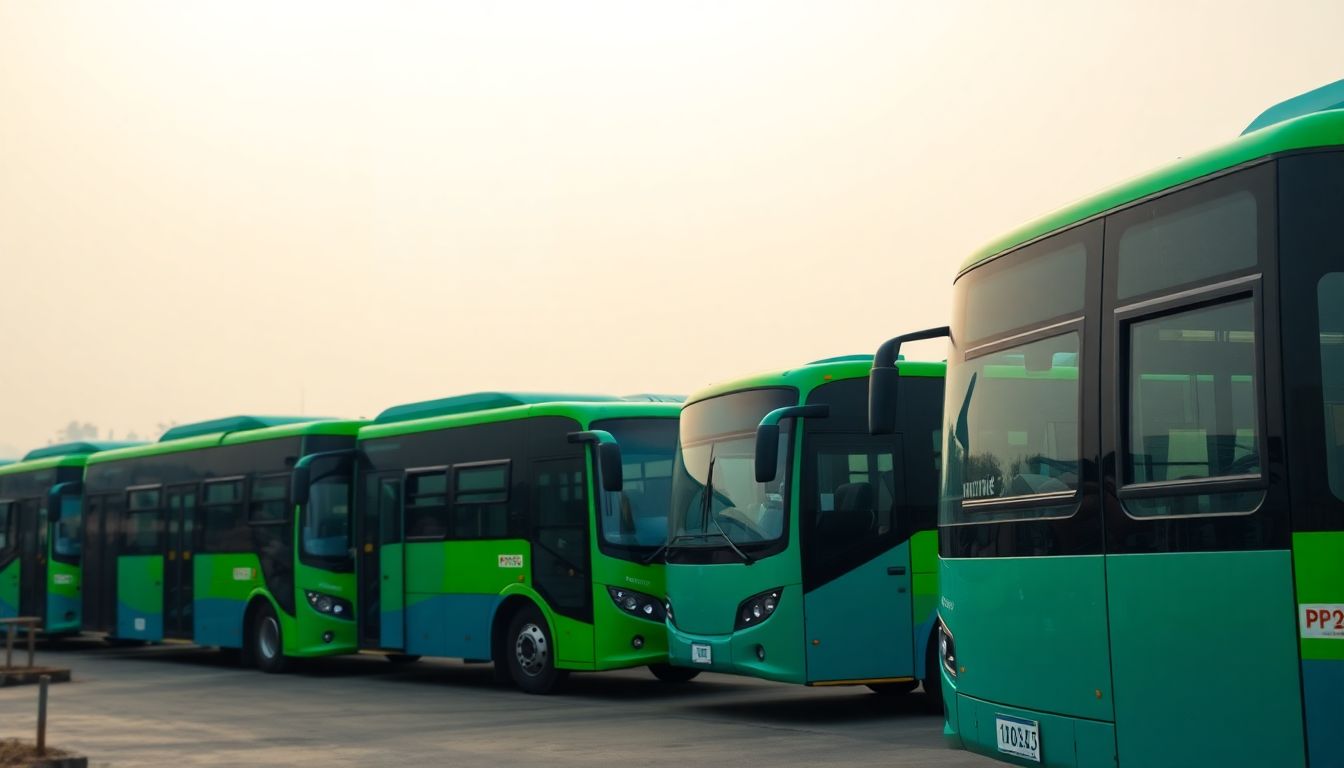
Beyond funding, the state is grappling with mounting operational issues across its current fleet of nearly 1,700 electric buses, which are operated by private firms. Former Transport Minister Ramalinga Reddy confirmed that the State wrote to the Union Government seeking intervention, stating that private operators have fallen short of expectations.
Official data from the Transport Department revealed widespread technical failures. NTPC Vidyut Vyapar Nigam Ltd saw battery failures jump from 102 to 602, drawing penalties of nearly Rs 9.8 crore. Switch Mobility Automotive Ltd recorded battery-related complaints soaring from 272 to 10,976, resulting in Rs 3.05 crore in penalties.
Meanwhile, TML Smart City Mobility Solutions Ltd, the largest operator with 1,031 buses, reported breakdowns rising from 257 to 992 and battery failures increasing from 244 to 2,120, drawing nearly Rs 12 crore in penalties. OHM Global Mobility Pvt. Ltd also saw its penalties rise from Rs 7.65 lakh to Rs 67.25 lakh due to recurring battery failures.
The fleet has also been hit by recurring driver strikes and staff shortages. Protests over unpaid wages and bonuses between February 2024 and October 2025 led to thousands of cancelled trips, causing an estimated loss of Rs 5.45 crore. Drivers have raised concerns over low pay, inadequate training, and inconsistent braking on wet roads.