Bengaluru Emerges as Global Culinary Hotspot with International Acclaim
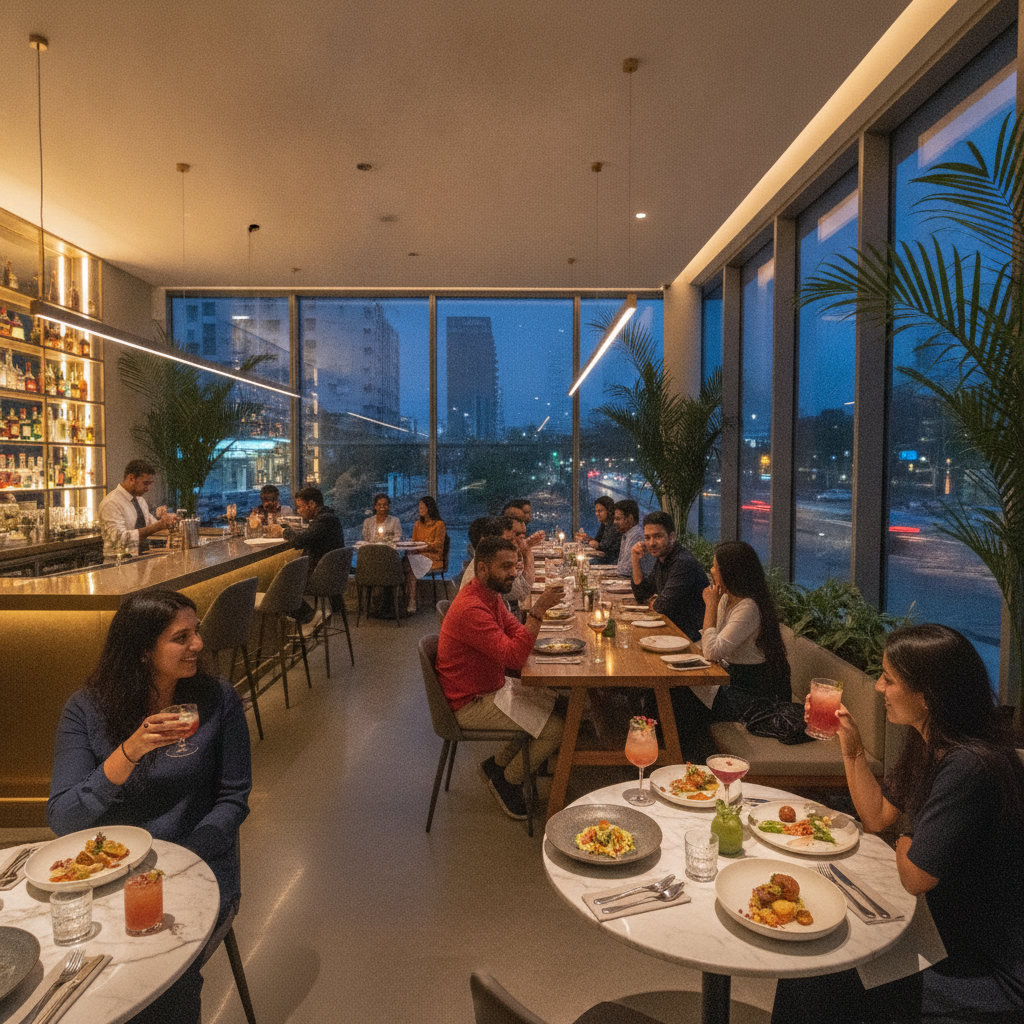
Bengaluru's culinary landscape has transformed into a global food destination, with local restaurants gaining international recognition and diverse dining hubs emerging in neighbourhoods like Kammanahalli. Driven by a post-pandemic demographic shift and a rising population of young professionals with disposable income, the city's dining scene has evolved from star-hotel fine dining to highly competitive standalone restaurants and microbreweries.
The transformation traces back to 2004, during the start of the IT boom, when Chef Manu Chandra, the founder partner of Lupa, began working at Olive Bar and Kitchen. While the city was initially conservative and rejected the offerings as pretentious, expats embraced the international food. The subsequent IT boom brought in young people with disposable income, establishing a thriving culture of cafes and microbreweries.
Hospitality professional Aslam Gafoor noted a major demographic shift five years ago as the pandemic wound down. This shift brought an openness to culinary experimentation, leading to a wave of young chefs opening establishments like Fervor, Fireside, and Comal, which offer cuisines ranging from Vietnamese and Mexican to Thai and Cambodian.
Standalone restaurants and bars have also earned spots on international best lists. Establishments such as Farmlore and Eat Naru, alongside bars like ZLB 23, Soka, and Bar Spirit Forward, launched during or immediately after the pandemic. Farmlore, founded by Kaushik Raju, was featured on Asia's 100 Best Restaurants list this year, drawing travelers from other cities and prompting collaborative culinary pop-ups with chefs from South Korea and Chile.
Chandra highlighted that student hubs like Kammanahalli play a key role in shaping this international food culture. The area hosts students from across India, Africa, and Asia, creating stretches of Ethiopian, Nigerian, Vietnamese, and Malaysian eateries. According to Chandra, the city's democratic food culture allows high-end dining and casual local joints, such as those serving dosae and naati chicken curry, to thrive in the same ecosystem.