Bengaluru private vehicle registrations jump 20% with 1.83 lakh new vehicles in Q1
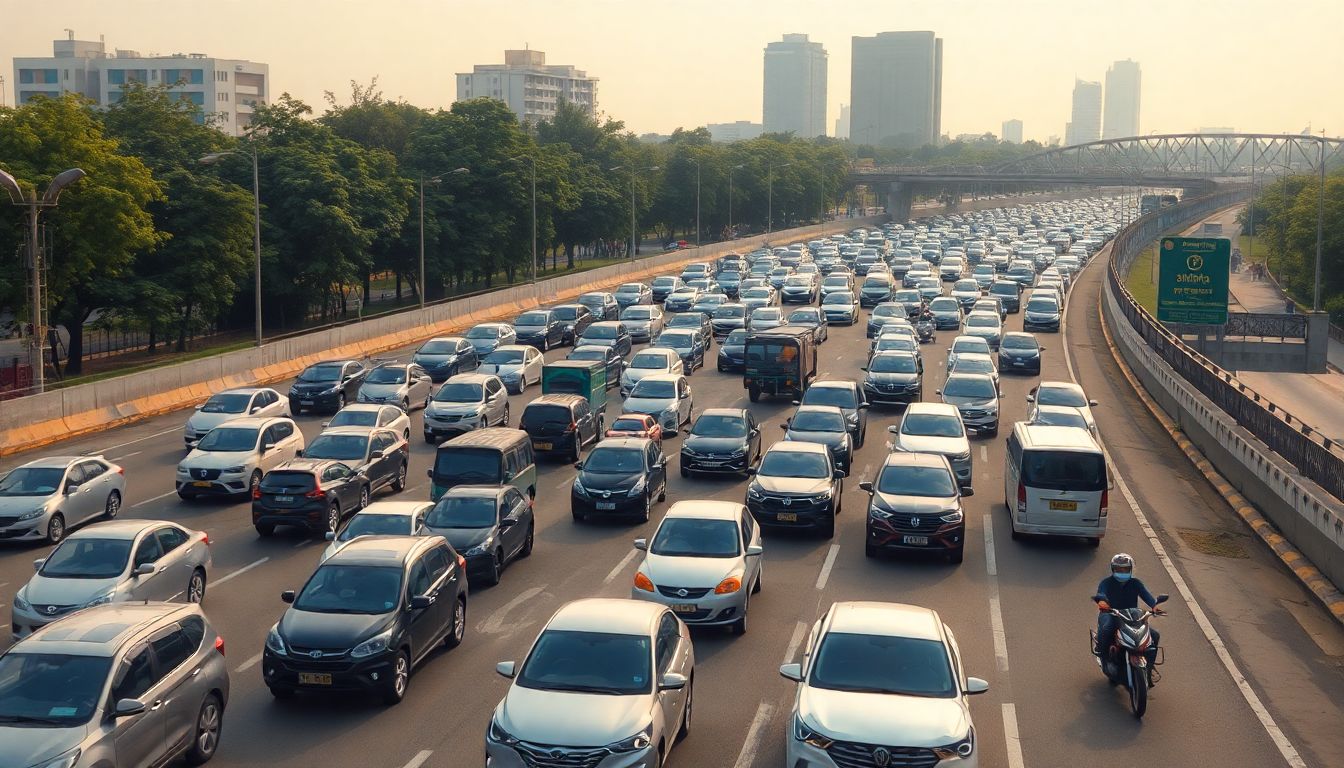
Bengaluru witnessed a nearly 20% surge in private vehicle registrations during the first quarter of the current financial year, with approximately 1.83 lakh new cars and two-wheelers hitting the city's roads between April and June. Mobility experts have attributed this sharp increase to the city's inadequate public transport system, which has failed to keep pace with urban growth, forcing residents to rely on personal transport.
According to official registration data, the city registered nearly 41,000 cars and more than 1.42 lakh two-wheelers during the three-month period. This marks a significant rise from the same period last year, when Bengaluru recorded a little over 34,600 car registrations and 1.18 lakh two-wheelers, totaling around 1.52 lakh vehicles.
The rapid increase in vehicle ownership has deepened concerns over traffic congestion, planning failures, and urban mobility choices in the city. Aside from public transit gaps, experts also point to seasonal market trends, a growing population, and rising purchasing power as factors driving up vehicle ownership.
Sandeep Anirudhan, a city-based mobility expert, highlighted the stark contrast between Bengaluru and other major global cities. He noted that Bengaluru is perhaps the largest city of its scale without an effective mass transit network. He compared it to Tokyo, which has a similar size but boasts an extensive rail network, keeping private vehicle ownership below 10%. In contrast, he said, Bengaluru has become synonymous with private vehicle dependence.
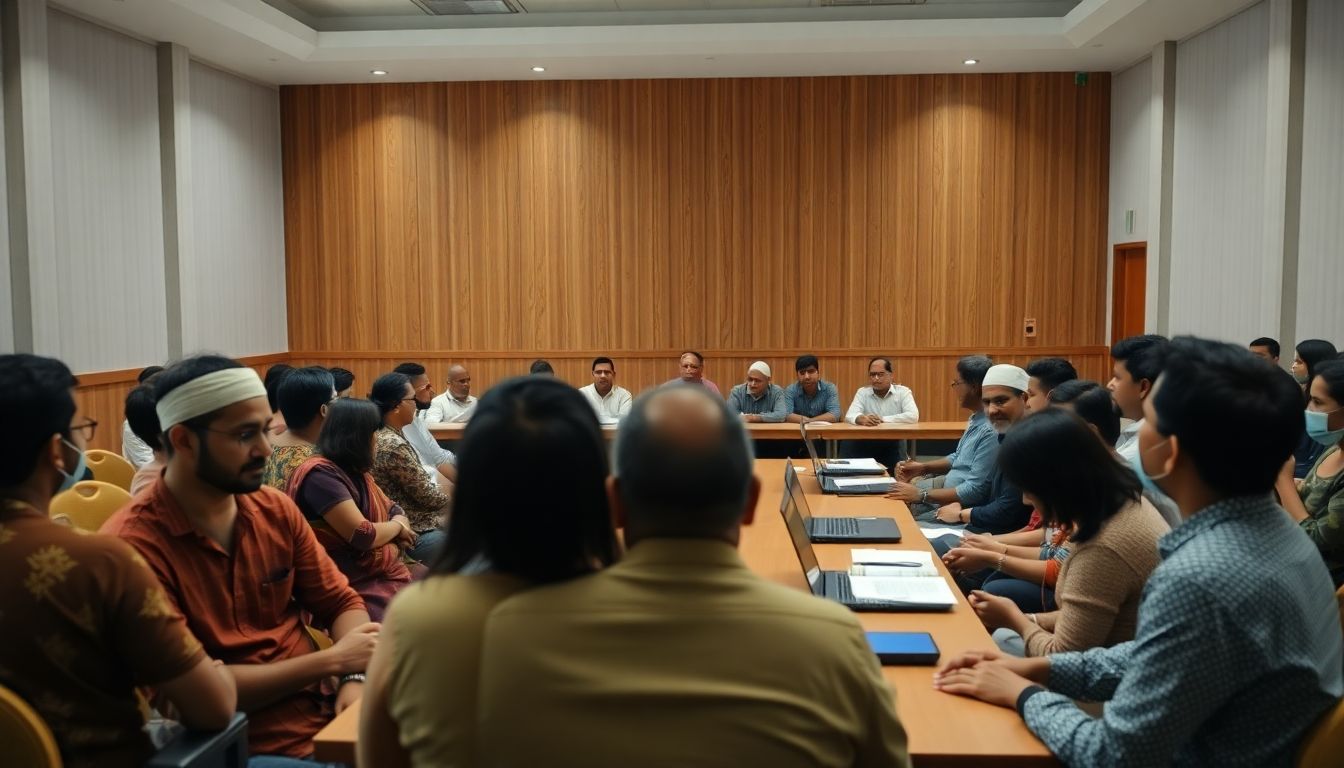
Mobility experts argue that building more flyovers and tunnels will not solve the underlying crisis, as these projects only address the symptoms of congestion. Instead, they are demanding a comprehensive mobility strategy anchored in a long-term master plan, alongside trained transport planners and empowered planning institutions.
A major institutional roadblock identified by experts is the Metropolitan Planning Committee, which has remained largely non-functional for nearly four decades. The government's failure to operationalise and strengthen this body has left the city without the capacity to plan its growth in a coordinated manner.
Furthermore, experts noted that weak citizen participation in urban planning has created a disconnect between residents and planning institutions. They pointed out that infrastructure projects in Bengaluru are often conceived and executed in isolation rather than as part of a larger, holistic urban vision.