Bengaluru ranks first in national footpath study despite 45.4 percent obstruction rate
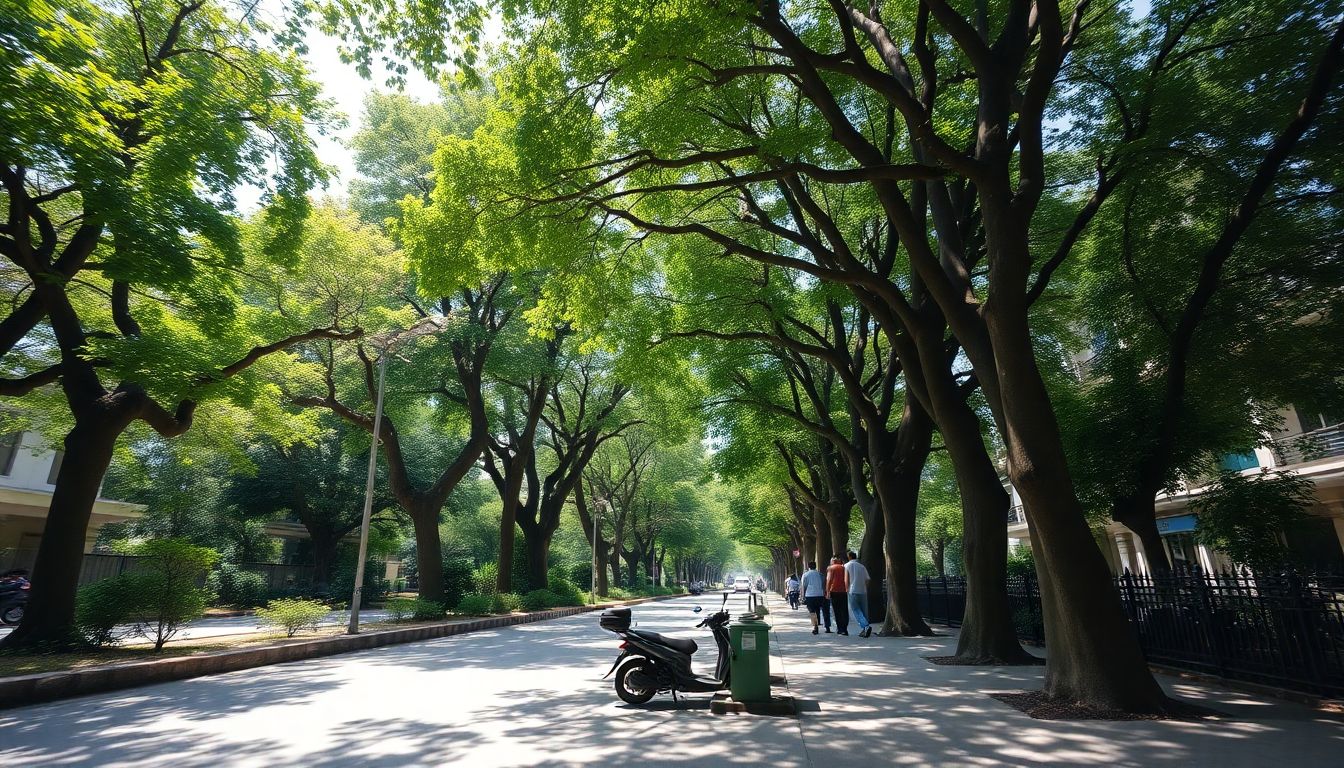
A new study assessing pedestrian infrastructure ranked Bengaluru first among 12 Indian cities for footpath quality, despite finding that 45.4 per cent of the city's footpaths remain obstructed and unwalkable. Released in May 2026 by Neural City, "The State of Indian Streets 2026" report highlighted sharp disparities across neighborhoods, with Vasanth Nagar emerging as the highest-scoring ward while other areas lagged behind.
The study was based on street-level imagery collected between October and December 2025. Bengaluru secured the top spot among the 12 surveyed cities with an overall score of 49.2 out of 100. However, out of 1,995 locations assessed where footpaths were available, only 54.6 per cent were found to be walkable.
On the stricter measure of continuous walkability—defined by analyzing 100-meter footpath stretches—Bengaluru ranked second nationally behind Lucknow. Only 25.9 per cent of the city's assessed stretches were continuously walkable. Specifically, out of 201 continuous 100-meter segments surveyed across 21 Bengaluru roads, only 52 segments met the standard.
The report revealed significant local disparities. Vasanth Nagar was the top-performing high-coverage ward with an overall score of 61.7, boasting unobstructed footpaths on 72.7 per cent of its segments. Raj Bhavan Road was identified as the city's best-performing road, scoring 65, with 79.6 per cent clear footpaths and 97.6 per cent smooth road surfaces. Conversely, Doddakanahalli was the weakest-performing high-coverage ward, scoring 43.5, with only 32.8 per cent of its assessed footpaths clear of obstructions.
According to Akshay Kanchan, co-founder and CEO of Neural City, physical clutter such as dirt, stones, poles, and utility equipment formed the largest category of obstructions. This was followed by vendor or vehicle encroachments, and badly broken footpaths. The report also noted that vehicles were parked on 22.5 per cent of the assessed footpaths.
Kanchan stated that improving walkability requires better utility placement, vendor management, debris removal, and regular maintenance alongside parking enforcement. Meanwhile, the GBA has been stepping up its footpath encroachment eviction drives across the city. Arun Pai, Coordinator of Project Walkaluru, noted that five corporations have made separate budget provisions for footpath maintenance to enforce pedestrian rights.