Bengaluru Rooftop Rainwater Harvesting Units Approach 2.5 Lakh Mark
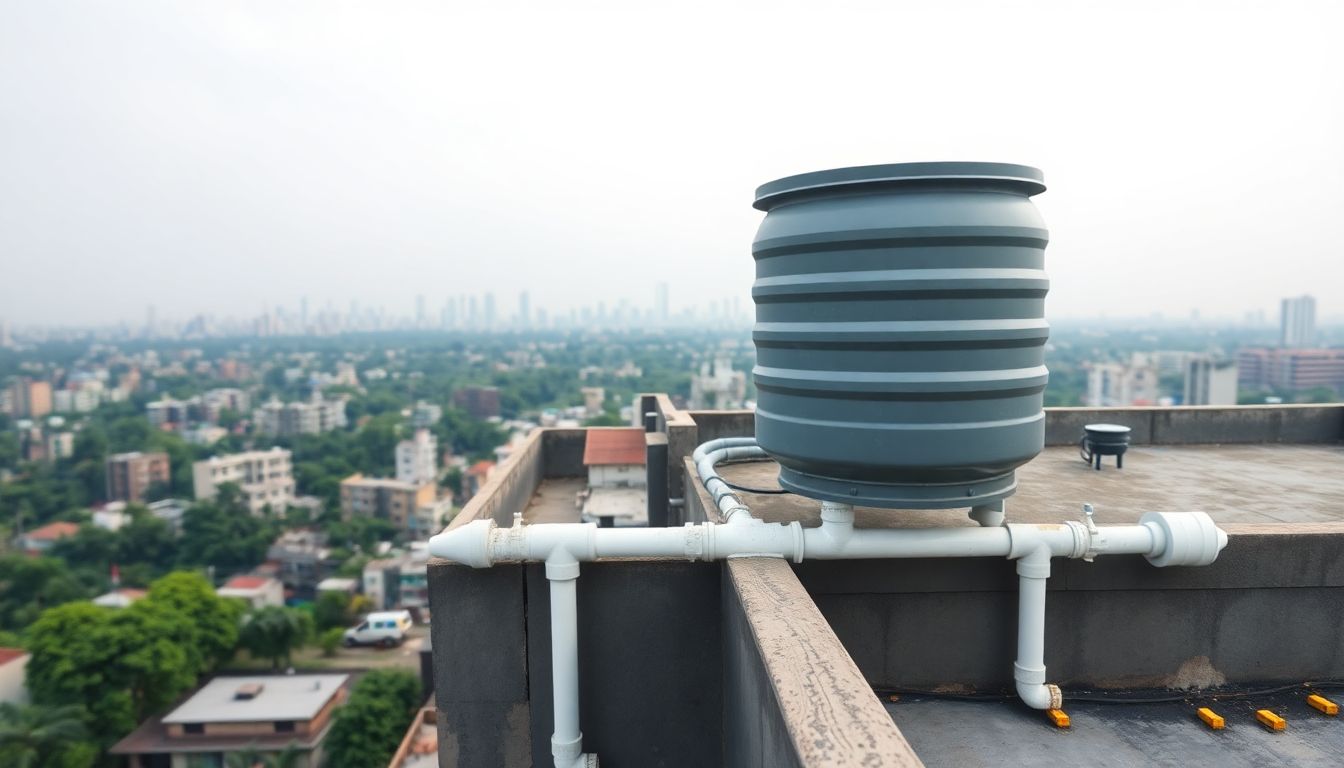
The number of rooftop rainwater harvesting (RWH) systems in Bengaluru is approaching the 2.5 lakh mark, driven by strict regulatory enforcement and promotional initiatives like the RWH Theme Park in Jayanagar. According to data from the Bengaluru Water Supply and Sewerage Board (BWSSB) tracking installations from 2020 to 2026, the city is steadily strengthening its capacity to capture and recharge rainwater to combat growing water security concerns.
The city has seen a consistent rise in installations over the last six years. Bengaluru added 12,403 rooftop RWH units in 2020, followed by 14,139 in 2021. Another 10,606 systems were installed in 2022, while 11,458 new units were added in 2023.
The upward trend continued in 2024 with 11,640 installations, before witnessing a significant jump in 2025, when 20,917 systems were added. In 2026 alone, the city has already recorded 7,125 new installations, bringing the total number of operational systems to nearly 2.43 lakh.
Residential properties make up the bulk of these installations, reaching a total of 1,93,464 systems. This includes 16,935 new residential installations added over the past year. The remaining systems are spread across commercial establishments and government buildings.
Under current BWSSB regulations, rooftop rainwater harvesting is mandatory for all existing buildings on sites measuring 2,400 square feet or more. For new buildings, RWH is mandatory for all proposed structures on sites measuring 1,200 square feet or more. Property owners must install systems that either store rainwater for non-potable use or recharge groundwater through recharge pits and wells.
To ensure compliance, the BWSSB has been levying penalties and additional charges on property owners who fail to install the mandated systems. "We are actively promoting the installation of these systems through public outreach and by requiring applicants to provide rooftop rainwater harvesting units when applying for new water connections," a senior BWSSB official said.
In addition to penalties, the BWSSB has promoted adoption through the RWH Theme Park in Jayanagar, the Amrutha Dhare Awards, and the creation of a dedicated Groundwater Cell.
While experts acknowledge that awareness of rainwater harvesting is high in Bengaluru, some argue that the focus must now shift toward measuring the actual impact of these systems.
Shubha Ramachandran, Water Team Lead at Biome Environmental Trust, emphasized the need for ward-level groundwater monitoring and citizen participation to understand how RWH influences groundwater recharge and reduces local flooding. Ramachandran noted that while areas with widespread RWH likely experience less flooding during smaller rainfall events, there is currently little data to establish this direct link.