Bengaluru snake rescue calls rise prompting two-year tracking study
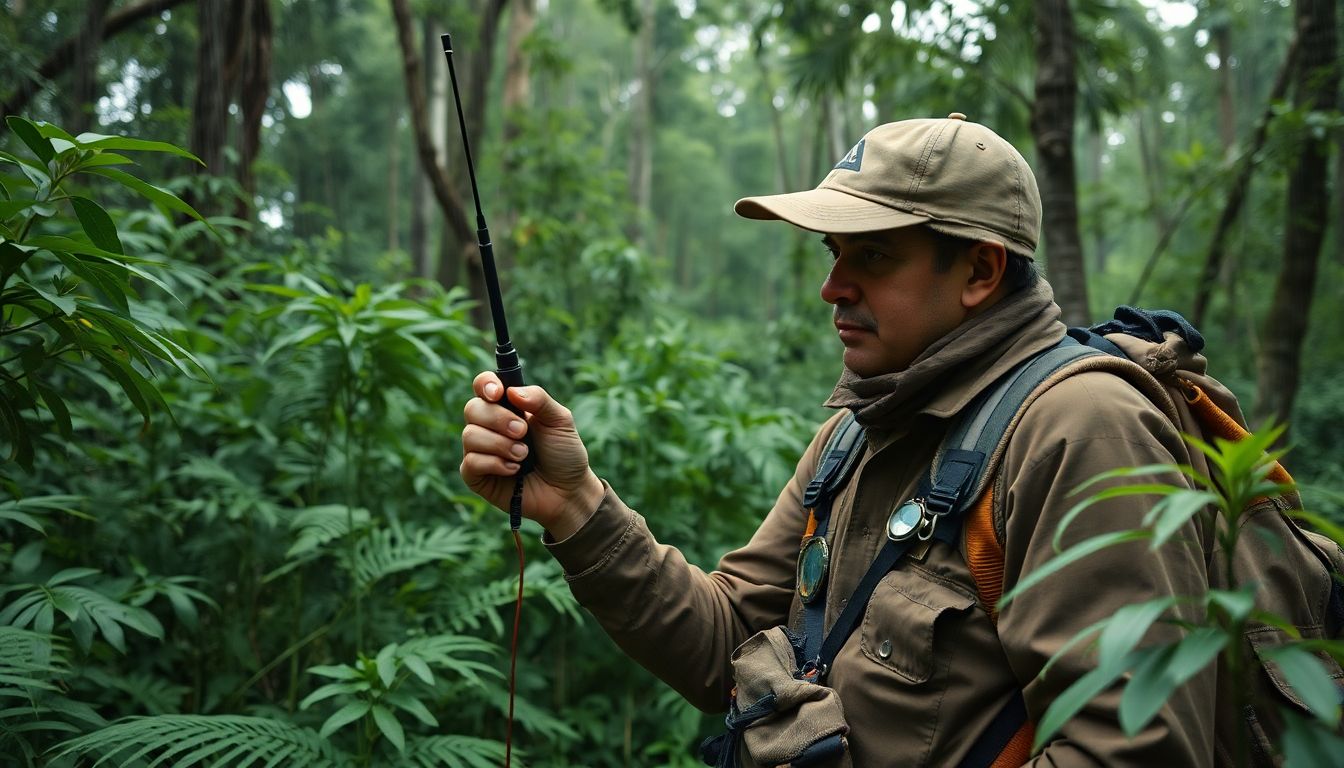
During this monsoon season, Bengaluru has experienced a sharp rise in snake rescue calls, prompting the wildlife conservation group People for Animals (PfA) to launch a first-of-its-kind two-year radio telemetry study to track the survival of rescued reptiles. The initiative, organized in association with the Karnataka Forest Department, aims to understand the fate of snakes after they are rehabilitated and released back into the wild.
The surge in rescue calls has been notable despite the city recording fewer rainy days so far this season. PfA responded to nearly 200 snake rescue calls during June and July of this year, up from 161 calls during the same period last year. Meanwhile, another local rescue group, the Avian and Reptile Rehabilitation Centre (ARRC), reported a 30 percent increase in rescue requests over the past year.
According to wildlife organisations, the rise in human-snake encounters is driven by seasonal reptile movement and rapid urbanisation. The expansion of residential areas has fragmented natural habitats, forcing wildlife into newly developed properties on the city's outskirts.
To study how these displaced reptiles cope, PfA's upcoming two-year study will track commonly rescued species, including cobras, rat snakes, and vipers. Researchers also plan to include king cobras and Russell's vipers in the tracking program where feasible.
Dr. (Col) Nawaz Shariff, chief veterinarian at PfA Wildlife Hospital, explained that there is currently very little scientific data on what happens to reptiles after they are rescued. Because many snakes undergo prolonged medical treatment, they often cannot be released back into the exact locations where they were captured. The study will help determine whether the rehabilitated animals adapt, survive, or perish in their new environments.
The research will initially employ a minimally invasive technique, using radio transmitters externally attached to the snakes' tails. In later stages of the study, PfA plans to use surgically implanted transmitters in the rear body cavity of the snakes to facilitate longer-term monitoring.
In tandem with the scientific research, public awareness efforts are also expanding. ARRC recently launched "SnakeSmart," a free, multilingual web application available in Kannada, English, and Hindi. The platform provides residents with practical safety guidance on how to respond to snake sightings, prevent snakes from entering homes, and locate nearby hospitals that treat snakebites.