Bengaluru Traffic Police Punish 4,500 EV Riders With Mandatory 4-Hour Lectures
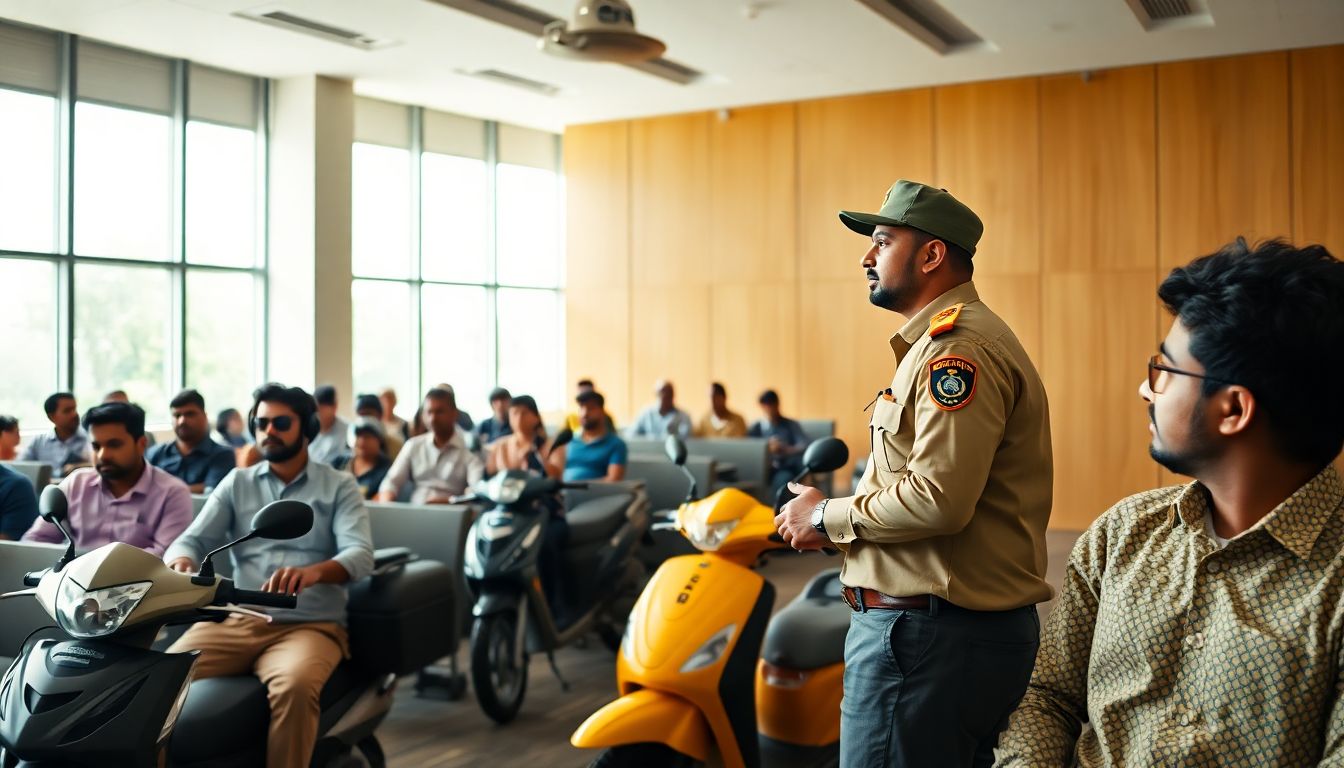
The Bengaluru Traffic Police conducted a special drive over a recent three-day period, penalizing low-speed electric scooter riders who violated traffic rules in Bengaluru by making them attend a mandatory four-hour road safety and traffic awareness lecture instead of issuing monetary fines. Nearly 4,500 motorists, primarily gig workers and delivery executives for food, grocery, and e-commerce companies, underwent the sessions.
The initiative targets riders using low-speed electric two-wheelers that have a top speed of up to 25 kmph and a motor output of no more than 250 watts. Under the Central Motor Vehicles Rules, these vehicles are exempt from registration and do not require a driving licence.
Without registration numbers, these scooters cannot be easily tracked through surveillance cameras or issued automated e-challans, creating an enforcement challenge for traffic police. While the exemption was introduced to encourage affordable electric mobility, the rapid growth of quick-commerce and food delivery services has made these scooters a common sight on city roads.
Traffic police reported that riders frequently ride against one-way traffic, use footpaths as shortcuts, ignore lane discipline, and squeeze through pedestrian spaces to reduce delivery times.
To address this enforcement loophole, the department turned to behavioural enforcement. Every offender intercepted during the drive was taken to the nearest police station, where officers conducted interactive sessions on road safety, traffic laws, and the consequences of reckless riding.
"We realised that a monetary penalty was not always an option in these cases. So we decided to make offenders invest in something even more valuable, their time," a senior traffic police officer said. "Four hours spent in a police station often leaves a stronger impression than a fine that someone pays and forgets."
According to officials, the initiative is sending a message across the delivery ecosystem, as losing four working hours means fewer deliveries and lower earnings for gig workers.