Bengaluru travel operators seek clarity from car makers on E20 ethanol fuel impact
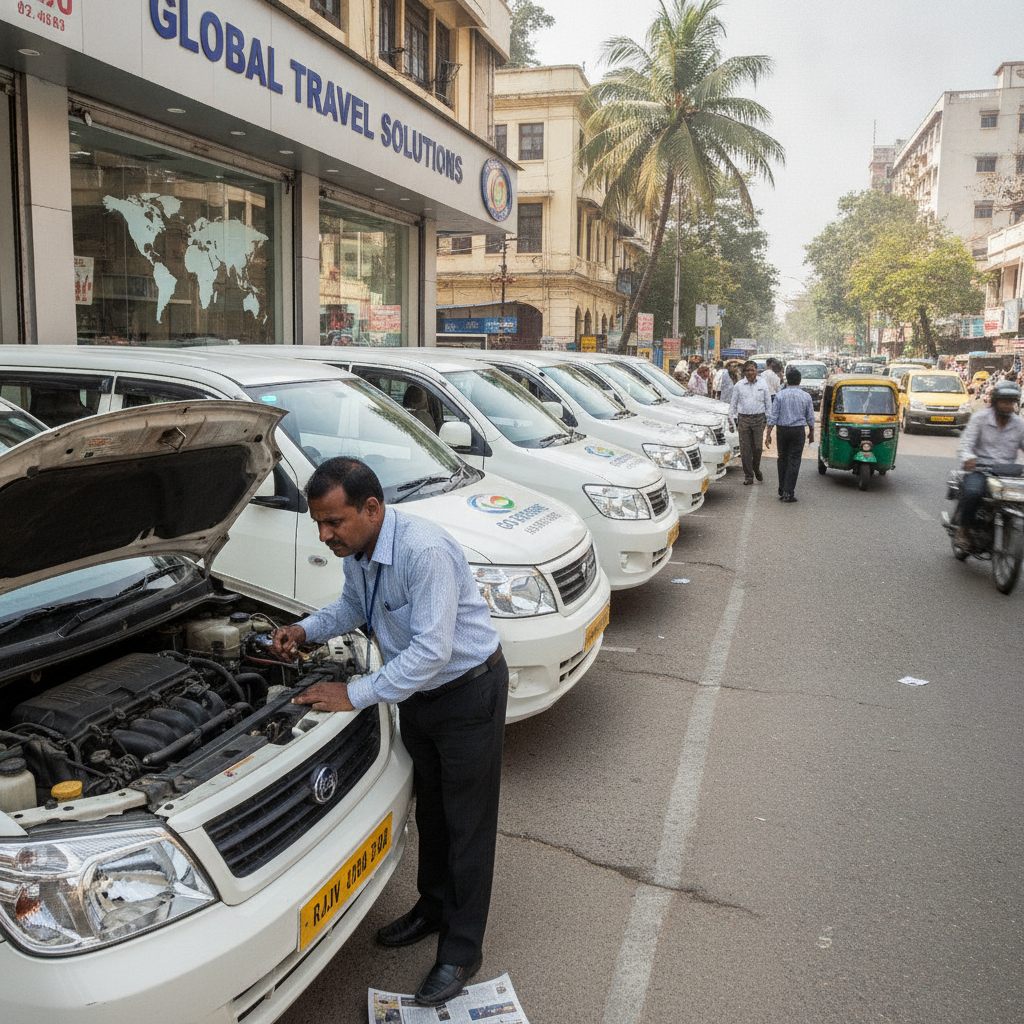
The Karnataka State Travel Operators Association in Bengaluru has written to car manufacturing companies seeking official technical clarifications on the long-term impact of E20 ethanol-blended petrol on vehicle engines. Association President K Radhakrishna Holla announced the move, highlighting a lack of comprehensive, model-specific information from manufacturers regarding engine durability, maintenance, and warranty coverage.
The association clarified that its objective is not to oppose the government's E20 fuel program, but to ensure that consumers and transport operators receive transparent, manufacturer-authorised information before using the blended fuel over the long term. The query specifically targets technical details on engine durability, vehicle performance, hybrid systems, maintenance requirements, and warranty terms.
The national shift from E10 to E20 fuel is part of India's broader strategy to reduce crude oil imports, lower carbon emissions, and support the agricultural sector. Ethanol is manufactured using crops such as sugarcane, maize, and surplus rice, linking the transport sector to the agricultural economy.
While modern vehicles manufactured after 2023 are specifically engineered to run safely on E20 fuel, older vehicles face potential compatibility issues. Vehicle experts note that petrol vehicles manufactured before 2018 generally have lower compatibility with higher ethanol blends.
Because ethanol absorbs moisture from the atmosphere, vehicles left unused for several weeks or months can accumulate water in their fuel systems. Over time, this moisture can damage components like fuel pumps, filters, injectors, sensors, and rubber hoses. However, experts state these issues develop gradually and depend on vehicle maintenance, age, and usage patterns.
The transition to E20 fuel also affects fuel economy. Because ethanol contains less energy than pure petrol, vehicle owners may experience a 3% to 7% reduction in mileage. However, modern engines equipped with electronic fuel management systems are designed to largely compensate for this drop, keeping the impact minimal.
Despite these concerns, biofuel experts maintain there is no conclusive scientific evidence that ethanol alone damages engines. They advise vehicle owners to follow manufacturer guidelines, inspect fuel filters regularly, and avoid leaving vehicles idle for long periods to mitigate potential risks.