Commuters Demand Bengaluru Metro Fare Revision After Rs 90 Cap Breach
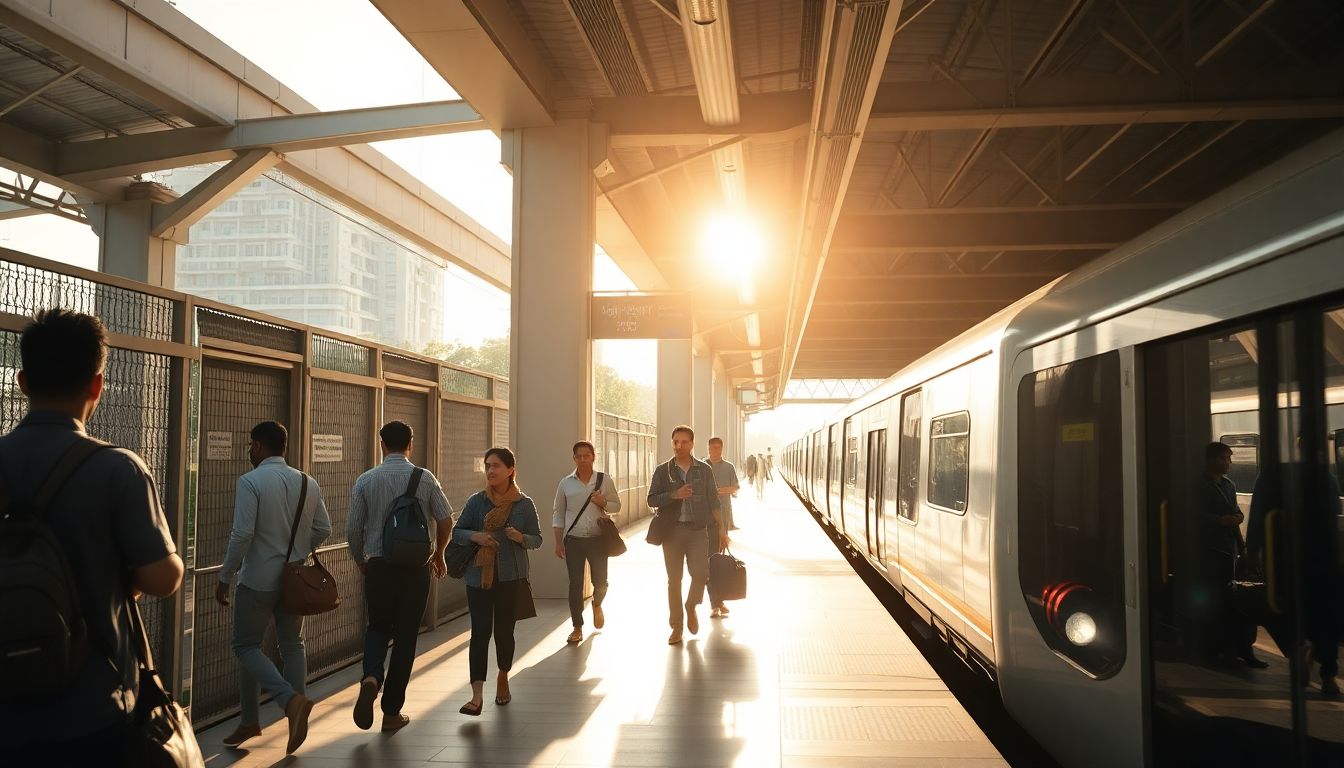
Commuters and transit critics in Hebbal and across Bengaluru are demanding an immediate correction to the Namma Metro fare structure after the Bangalore Metro Rail Corporation Ltd (BMRCL) breached its own projected fare limits. According to BMRCL's Detailed Project Report (DPR) for Metro Phase 3A connecting Hebbal to Sarjapur, the maximum fare was projected to reach Rs 75 by 2031, but passengers have been charged up to Rs 90 since February 2025.
The June 2024 DPR for the Phase 3A Red Line assumed a 12 percent fare increase every three years. However, following a fare revision by the Fare Fixation Committee (FFC) implemented in February 2025, actual ticket prices bypassed these long-term projections years ahead of schedule. Critics noted that BMRCL initially applied a fare hike of 105 percent before revising it down to 71 percent, leaving current fares significantly higher than original project estimates.
Despite the current Rs 90 maximum fare, the revised 2026 Phase 3A DPR continues to project a 12 percent fare increase every three years. This assumption exists alongside FFC recommendations for annual fare increases of up to 5 percent. The discrepancy between official project documents and real-world ticket pricing has intensified calls for a review, though BMRCL has remained silent on the issue.
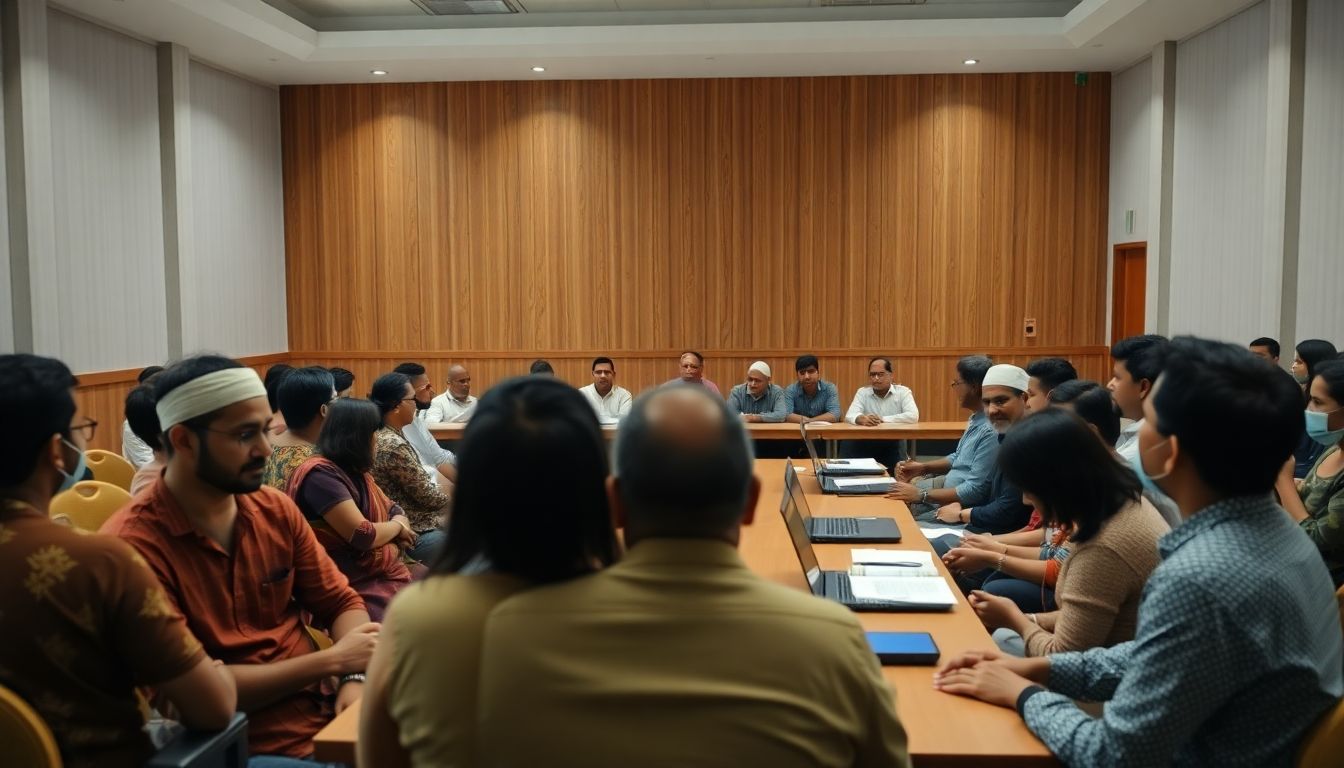
Rajesh Bhatt, co-convener of the Bengaluru Metro Commuters Association, stated that the existing fare structure must be rectified before any further increases are approved. He urged BMRCL to address the misapplication of the fare formula and demanded the release of a white paper detailing the metro authority's expenditure, revenue, and profits. Bhatt also called for greater commuter representation in future fare fixation proceedings.
Regular metro commuters have also voiced concerns over the overall affordability of the network. Transit user Kochu Shankar argued that public transport should function as an affordable service aimed at improving mobility, reducing traffic congestion, and curbing pollution, rather than prioritizing tangible profits. Flawed fare calculations, he noted, have made Bengaluru's metro fares higher than those in several other Indian cities despite heavy public usage.
With passenger groups opposing any subsequent 5 percent annual hikes without a prior review, pressure continues to build on BMRCL to clarify its pricing calculations and realign fares with its published projections.