Electronic City Doctor Warns Parents Against Unnecessary Child Protein Powders
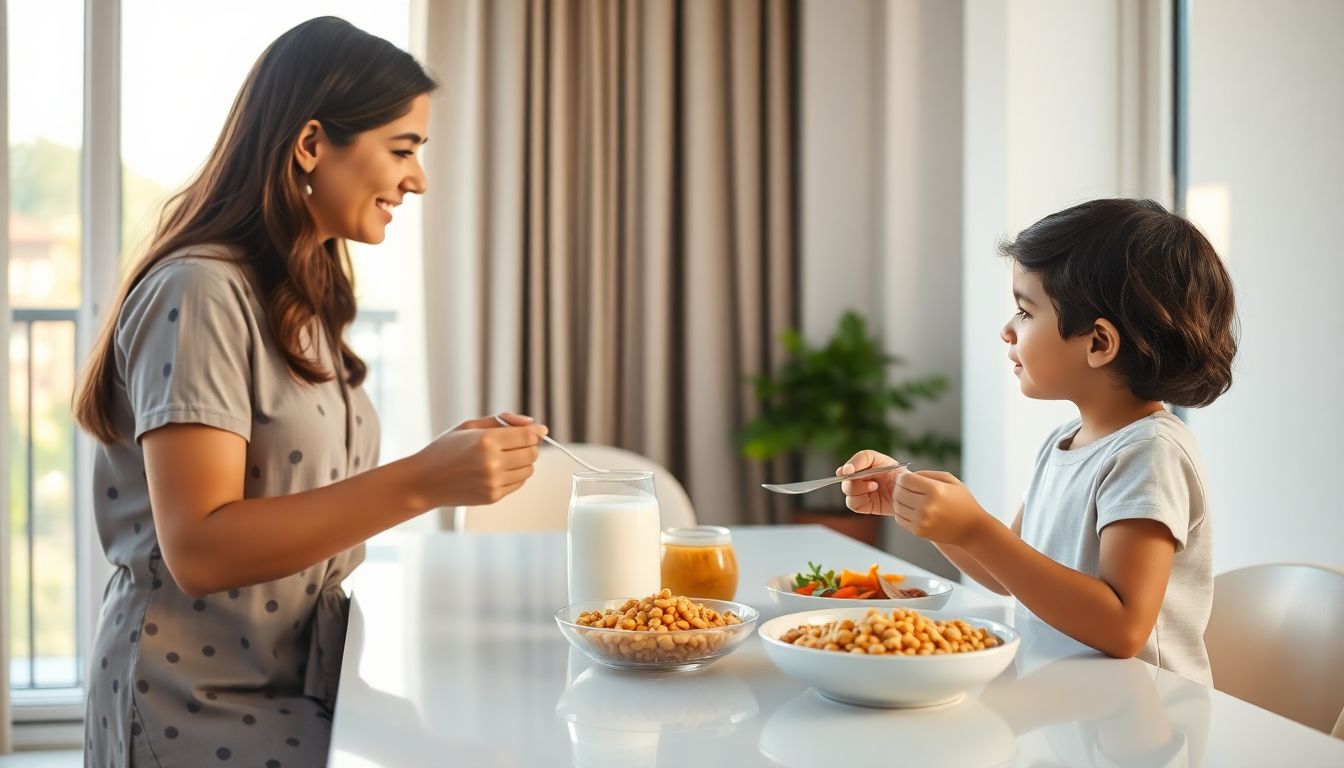
Parents in Bengaluru, including those in Electronic City, are increasingly scrutinising nutrition labels and seeking protein supplements for their children, even as medical experts warn that healthy kids do not need packaged protein powders. The trend comes as online searches for "protein for kids" rose by 141 per cent over the past five years, according to data from the Gritzo Protein Trend Report 2026.
The report, which surveyed mothers across Bengaluru, Chennai, and Hyderabad, revealed that protein has become the most recalled nutrient for child growth among urban families. Mothers surveyed associated protein with strength, immunity, brain development, and height, leading many to check protein content before purchasing health drinks or nutritional supplements.
Nationally, India now records over 41 lakh protein-related searches every month. More than 2,700 monthly searches specifically focus on children's protein requirements, while searches for "protein powder for kids" and "kids protein powder" average nearly 1,600 and 1,100 monthly queries respectively.
Addressing the trend, Dr Sudhir U, Consultant in Neonatology and Paediatrics at Rainbow Children's Hospital in Electronic City, cautioned that social media trends and aggressive marketing are driving parents to ask paediatricians about protein health drinks. He stated that protein supplements are not routinely recommended for healthy children who eat a balanced diet.
"In most cases, kids who eat in a balanced way, with enough dairy products, pulses, eggs, fish, meat, soy products, nuts, and whole grains, end up reaching their daily protein needs pretty naturally," Dr Sudhir said. He added that supplements should be reserved for documented nutritional deficiencies, growth issues, or specific medical conditions under clear clinical oversight.
The report noted that many mothers turn to supplements due to concerns over picky eating, small portion sizes, and inconsistent meal habits. However, nutritionists emphasize that regular home-cooked meals are sufficient.
Dr Simran Harish Nagdev, Clinical Dietician at Happiest Diagnostics, noted that true protein deficiency is uncommon among healthy, growing children. She highlighted that home-cooked staples such as dal, milk, curd, paneer, eggs, sprouts, chickpeas, rajma, soy, nuts, and seeds easily satisfy daily protein requirements when planned properly across meals.