Indra Nooyi Remarks On US Success Spark Debate Among Bengaluru Corporate Leaders

A debate has erupted among founders and corporate experts in Bengaluru following remarks by former PepsiCo CEO Indra Nooyi, who stated she could only have achieved her CEO status in the United States. Speaking during a discussion with former US Secretary of State Condoleezza Rice, Nooyi credited the US with offering the opportunities that enabled her rise, stating, "I could never have become CEO in any other country in the world, including India."
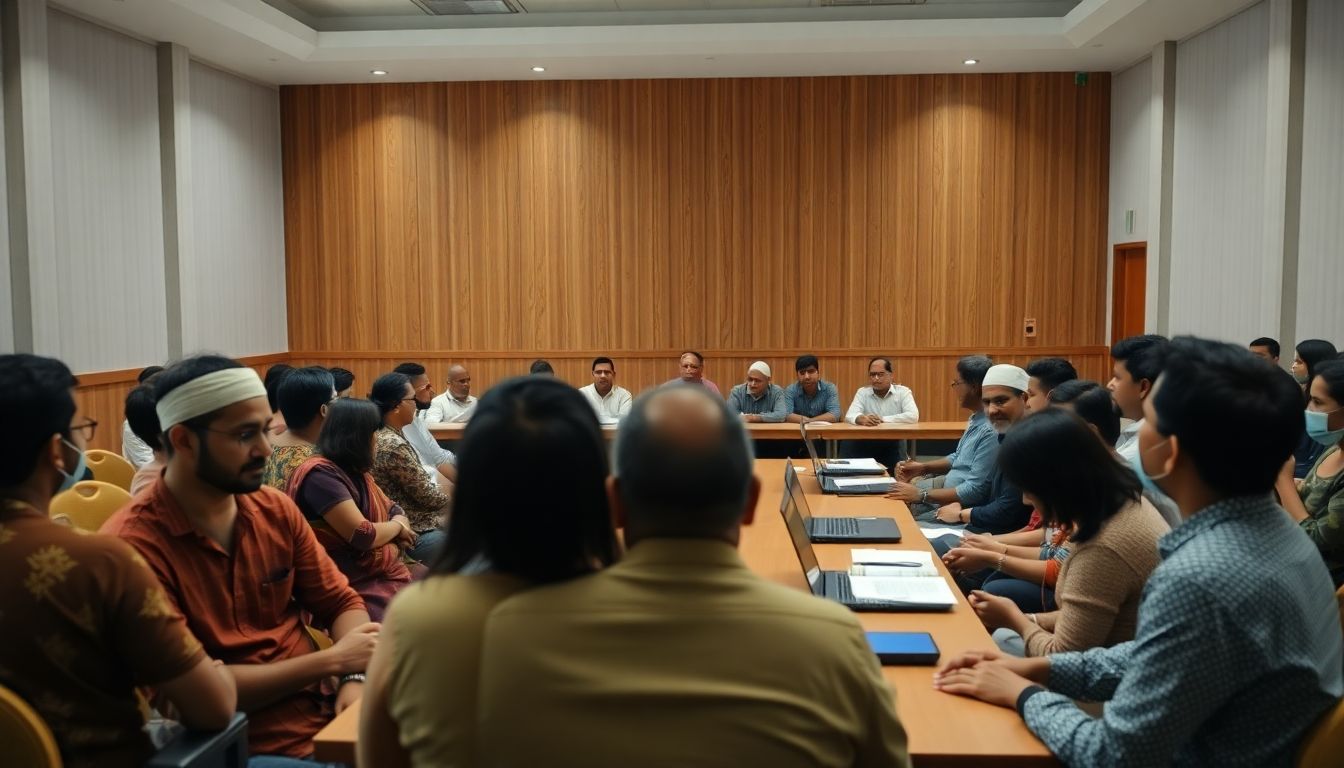
The comments have reignited intense conversations in the city's business community regarding merit, gender diversity, workplace culture, and the remaining structural barriers women face when striving for leadership positions in India.
Local experts and founders in Bengaluru acknowledged that while the corporate landscape has improved since Nooyi began her career, significant challenges remain. Some experts pointed out that unarticulated assumptions and judgements about women's capabilities continue to create discomfort and hostility in the workplace.
A local CXO search consultant noted that India does not lack capable female talent, but rather suffers from a "visibility gap" where systems fail to identify, mentor, and elevate women leaders early enough in their careers. Other professionals pointed out that Indian corporate systems still tend to overlook women during pregnancy and the postpartum period, which they described as an unfair barrier that corporates must address.
The debate also highlighted sobering statistics within the Indian corporate pipeline. According to local experts, barely five percent of listed Indian companies are led by women, and 63 percent of listed companies have no women in key managerial positions at all. Furthermore, although Indian law mandates that two percent of board members should be women, representation remains a challenge.
While some defenders of the Indian ecosystem pointed to successful leaders like Kiran Mazumdar-Shaw at Biocon and Falguni Nayar at Nykaa, others argued that these success stories remain exceptions. They emphasized that India has historically made it harder for women to rise to the very top due to unconscious bias, unequal caregiving responsibilities, and a lack of women in decision-making roles.