Karnataka leads South India in EV adoption with over 3.19 lakh registered vehicles
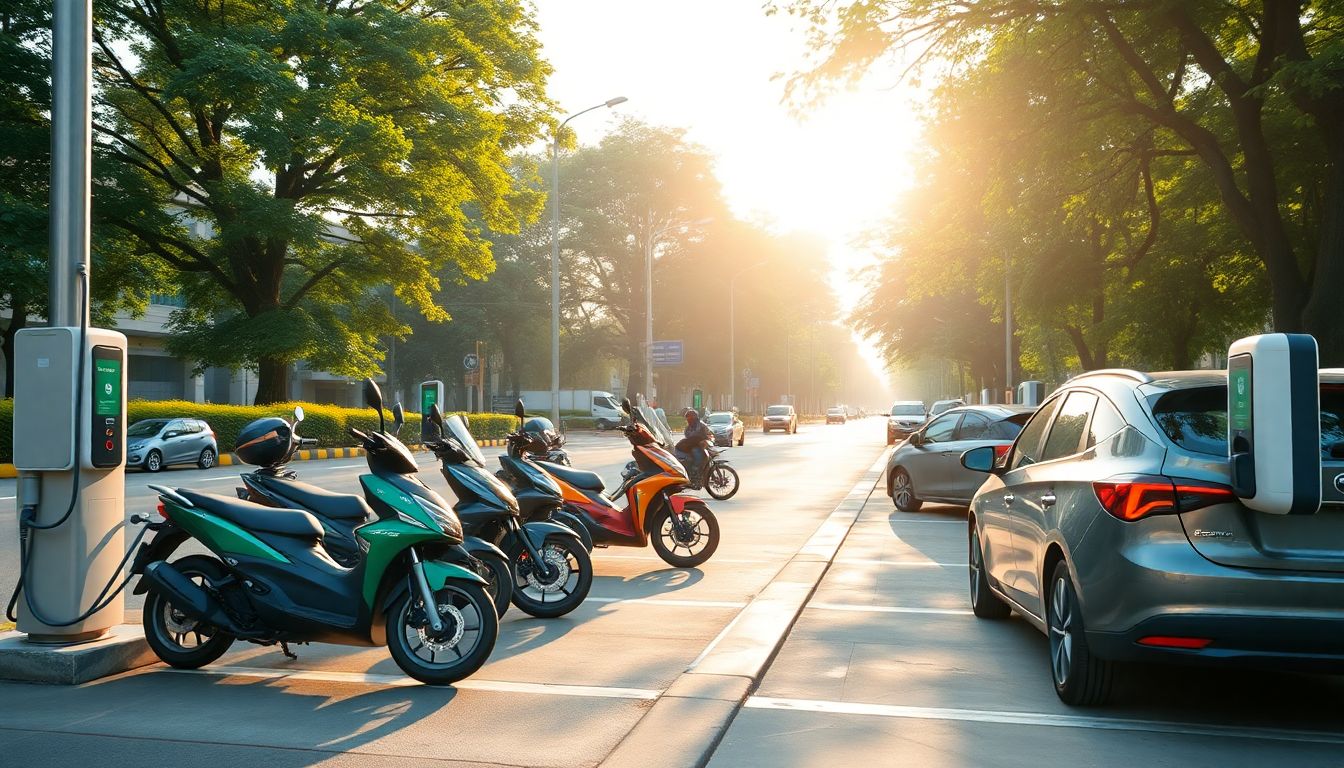
Karnataka has emerged as the leader in electric vehicle (EV) adoption among southern Indian states and ranked third nationally, driven heavily by adoption in Bengaluru. According to registration data from the Vahan portal, the state has registered more than 3.19 lakh pure battery-operated vehicles. Commenting on the trend, Professor Ashish Verma of the Sustainable Transportation Lab at the Indian Institute of Science (IISc) in Bengaluru highlighted that early policy interventions and the city's robust tech ecosystem have been key drivers of this growth.
The registration figures place Karnataka ahead of all other southern states. Tamil Nadu follows in second place in the south with nearly 2.82 lakh EVs, while Kerala has registered around 1.67 lakh. Andhra Pradesh recorded over 1.08 lakh registrations, and Telangana trailed with 23,551. Nationally, Karnataka ranks third, behind Maharashtra with approximately 4.76 lakh EVs and Uttar Pradesh with 4.27 lakh.
According to Professor Verma, the Karnataka State Government was an early mover in introducing a dedicated EV policy. The government has consistently promoted electric mobility through incentives, policy support, and tax exemptions. Bengaluru's position as a major manufacturing and technology hub has also significantly contributed to the growth of the local EV ecosystem.
Faced with worsening traffic congestion, air pollution, and rising fuel costs, Bengaluru residents are increasingly turning to cleaner mobility options. Favorable economic conditions, including relatively high disposable incomes in Bengaluru, have further supported this shift, helping consumers overcome the price premium associated with electric vehicles.
However, mobility experts warn that the state's current EV penetration remains far below the levels envisioned under its 2030 mobility goals. Professor Verma noted that the future of urban mobility cannot rely solely on replacing petrol and diesel vehicles with battery-operated ones. Instead, a sustainable transport system must prioritize shared, electric, and active mobility, integrating public systems like the Metro rail and the upcoming suburban rail network.
Infrastructure also remains a major hurdle. Experts pointed out that the current expansion of charging infrastructure in Karnataka lacks a scientific, data-driven approach. While agencies like BESCOM, private charging operators, startups, and mobility providers are expanding the network, there is limited coordination among them.
Professor Verma stated that charging stations are not being optimally located because service providers are not sufficiently integrating travel behavior data, trip distances, and charging requirements into their planning processes.