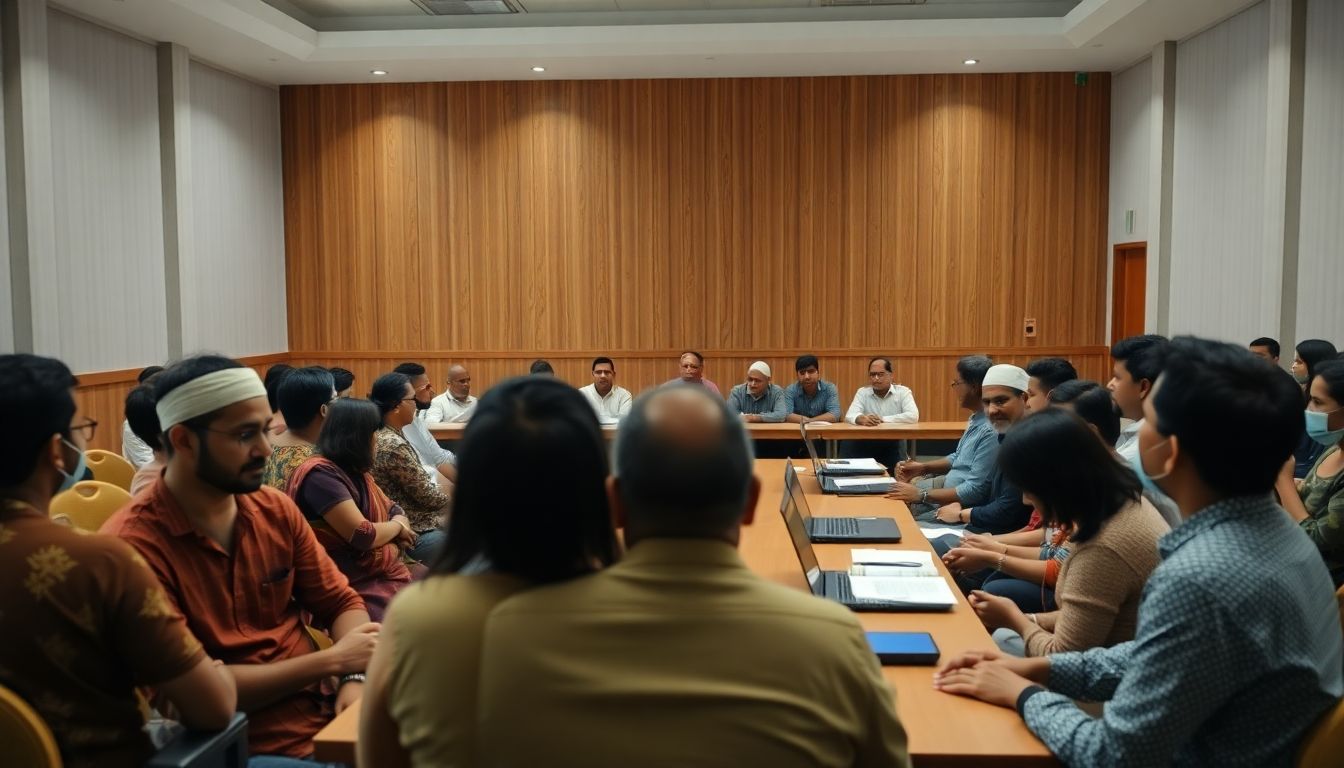
Karnataka to establish dedicated NRI ministry for 18 lakh overseas citizens

The Karnataka government, operating from Bengaluru, has announced plans to establish a dedicated ministry and secretariat for Non-Resident Indians (NRIs) to support the state's global diaspora. Chief Minister DK Shivakumar recently announced the decision, which aims to create a single-window mechanism to address challenges faced by an estimated 18 lakh overseas Kannadigas living across the Gulf nations, Europe, North America, and other regions.
The decision comes after years of demands from NRI groups seeking a dedicated institutional framework. The new ministry and exclusive secretariat will focus on strengthening engagement with the global Kannada diaspora, facilitating investments, and streamlining services for overseas Indians.
According to Arathi Krishna, Deputy Chairperson of the Karnataka NRI Forum, overseas Kannadigas frequently face issues that require coordination across multiple government departments. These challenges include property management, inheritance disputes, fraudulent transactions, and the misuse of power of attorney arrangements.
"Students travelling abroad for higher education frequently need orientation programmes on documentation, travel regulations and local laws," Krishna said, noting that first-time travellers from rural areas often face avoidable difficulties due to unfamiliarity with procedures. Visa-related issues also remain a common concern for both students and professionals.
The proposed ministry is expected to consolidate functions currently spread across various departments, including skill development, migration, education, and external affairs. This consolidation is intended to enable quicker coordination and faster grievance redressal.
Additionally, the ministry will address the welfare of returning migrant workers, particularly those from Gulf countries who have lost jobs due to economic disruptions and geopolitical developments. Krishna suggested providing these workers with access to low-interest loans, entrepreneurship support, insurance coverage, and rehabilitation programmes to help them rebuild their livelihoods.
In developing this framework, Karnataka may study successful models from other states. Kerala’s Non-Resident Keralites Affairs (NORKA) department, Tamil Nadu’s Commissionerate and Welfare Board for Non-Resident Tamils, Andhra Pradesh's Non-Resident Telugu Society (APNRTS), and Punjab’s NRI Affairs Department all offer various welfare, insurance, and legal support services that Karnataka could emulate.