Karnataka Urban Households Spend 33% of Food Budget on Processed Foods, NSS Reveals
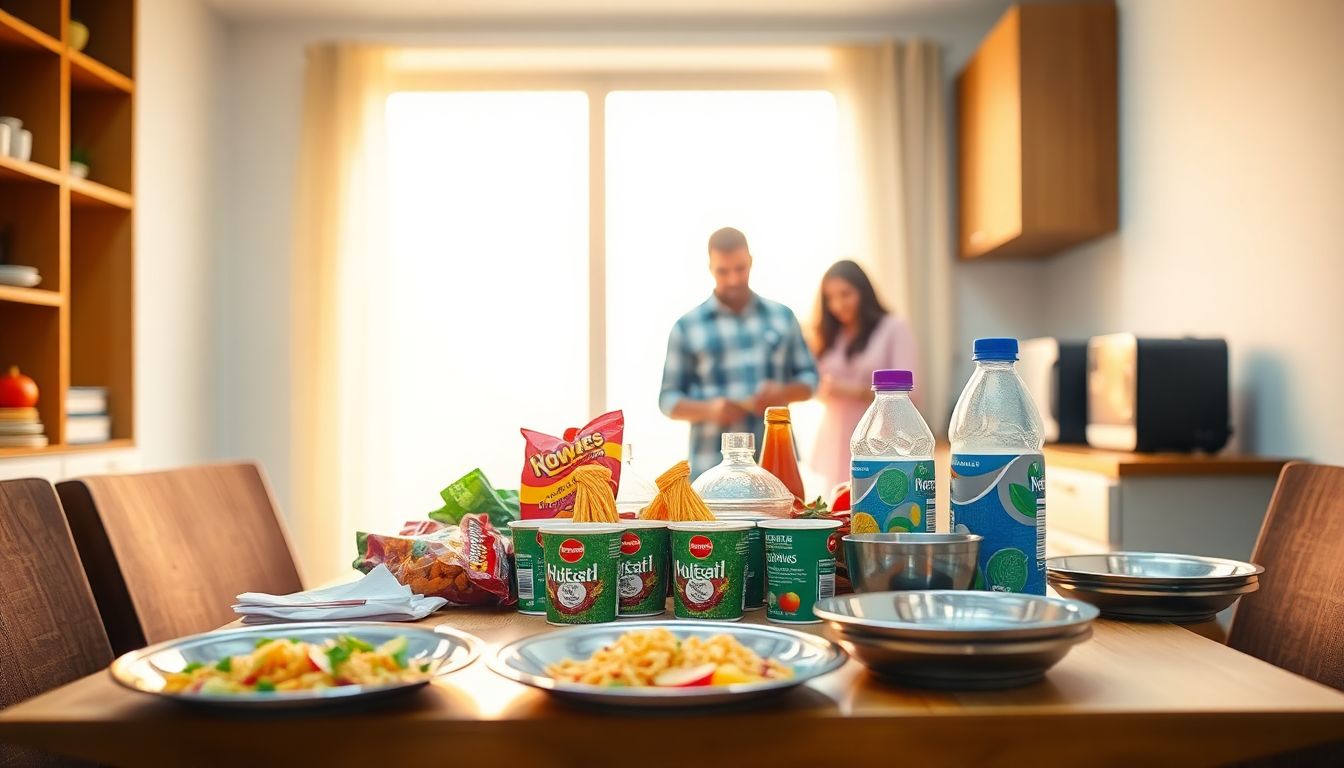
Urban households in Karnataka, particularly in cities like Bengaluru, Mysuru, Mangaluru, and Hubballi-Dharwad, are undergoing a major dietary shift, spending 33.23% of their total food budget on beverages, processed food, and packaged items during 2023-24. According to the latest National Sample Survey (NSS) on Household Consumption Expenditure, this lifestyle transition is steadily replacing traditional diets and triggering serious concerns among public health experts.
The survey revealed that the state's urban food expenditure on processed items is significantly higher than the national average of 27.95%. This shift is driven by fast-paced lifestyles, a growing food delivery culture, and a heavy dependence on ready-to-eat meals, which are replacing traditional diets based on millets, pulses, vegetables, and freshly cooked food.
At the same time, spending on healthier food categories in urban Karnataka remains below national averages. Urban households in the state spend only 8.49% of their food budget on vegetables, compared to the all-India average of 10.38%. Similarly, spending on milk and milk products stands at just 12.05%, which is sharply lower than the national average of 18.13%.
The decline in dairy consumption is stark when compared to northern states like Haryana, Rajasthan, and Punjab, which spend 33.88%, 32.28%, and 29.02% of their food budgets on milk and milk products, respectively. While Kerala also has low dairy spending at 9.49%, it compensates with a 21.30% expenditure on fish and meat.
Medical experts warn that this dietary transition could escalate into a serious public health challenge over the next decade. General physician K Krishnamurthy noted that ultra-processed foods are typically high in salt, sugar, unhealthy fats, preservatives, and artificial additives while being nutritionally poor. He warned that such patterns are linked to rising obesity, diabetes, hypertension, heart disease, fatty liver disorders, and certain cancers.
Gastroenterologist Krishna D explained that lower vegetable intake is associated with fibre deficiency, poor gut health, and increased metabolic disorders, while reduced dairy consumption could lead to calcium and protein deficiencies. Nutritionist Sharmila R added that Bengaluru’s growing dependence on food delivery platforms, packaged snacks, sugary beverages, and frozen meals statistically reflects this lifestyle transformation.
The NSS survey also highlighted that urban Karnataka spends only 8% of its non-food expenditure on medical needs, lower than the national average of 9.7%. Public health specialists worry this indicates lower preventive healthcare spending or delayed medical consultations, which could combine with poor diet to create long-term disease risks.