KEA Delays Professional Course Counselling While Waiting For Government Seat Matrices
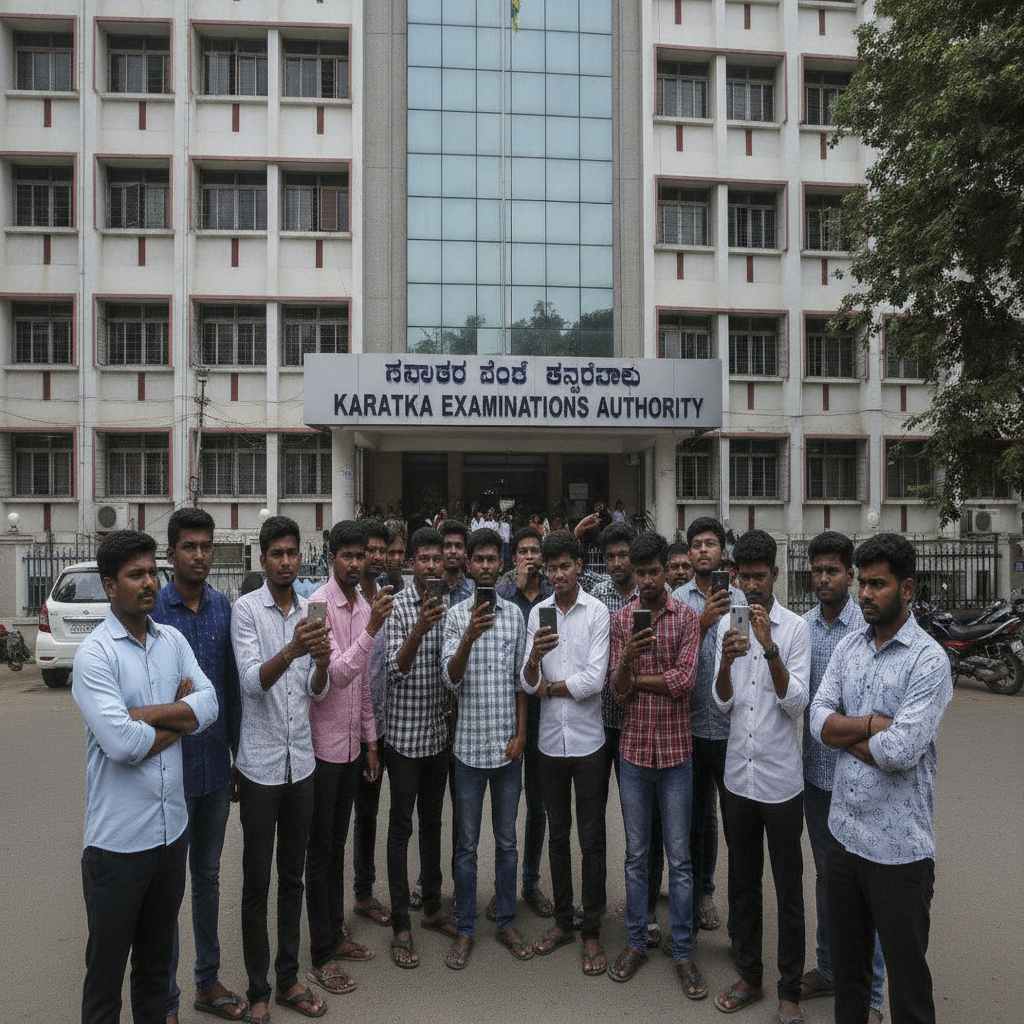
On June 14, 2026, the student admission counselling process for professional courses in Bengaluru remained on hold as the Karnataka Examinations Authority (KEA) continued to wait for official seat matrices from the state government. The delay has left Common Entrance Test (CET) aspirants in uncertainty, after the previously announced start dates of June 10 and June 13 passed without the commencement of counselling.
The primary bottleneck stems from the final seat matrix for engineering, which has not yet been approved by the higher education department. A department official stated that objections to the draft seat matrix are currently being scrutinized, and they hope to release the final matrix before next Saturday.
Because there is currently no minister handling the higher education portfolio, the Chief Minister must approve the final engineering matrix. Sharan Prakash Patil, the Minister for Medical Education and co-chairman of KEA, said he plans to meet with DK Shivakumar soon to discuss the issue.
So far, the KEA has only received the seat matrix for agriculture courses. Seat matrices for engineering, nursing, pharmacy, and other professional courses remain pending.
Despite the delay, KEA has initiated the first stage of the seat allocation process. KEA Executive Director H Prasanna announced that candidate verification slips were released on Friday. Students can download these slips online, though the link to register options will only open once the government provides the seat matrices.
In response to the delays, the Karnataka Unaided Private Engineering Colleges Association has written to the All India Council of Technical Education (AICTE). The association has requested to extend the final deadline for counselling from August 15 to September 15. The group noted that the online counselling process, which includes document verification, multiple allotment stages, and fee payments, requires more time to complete than the traditional offline format.