KREDL cancels 386 Karnataka small hydel projects over clearance failures
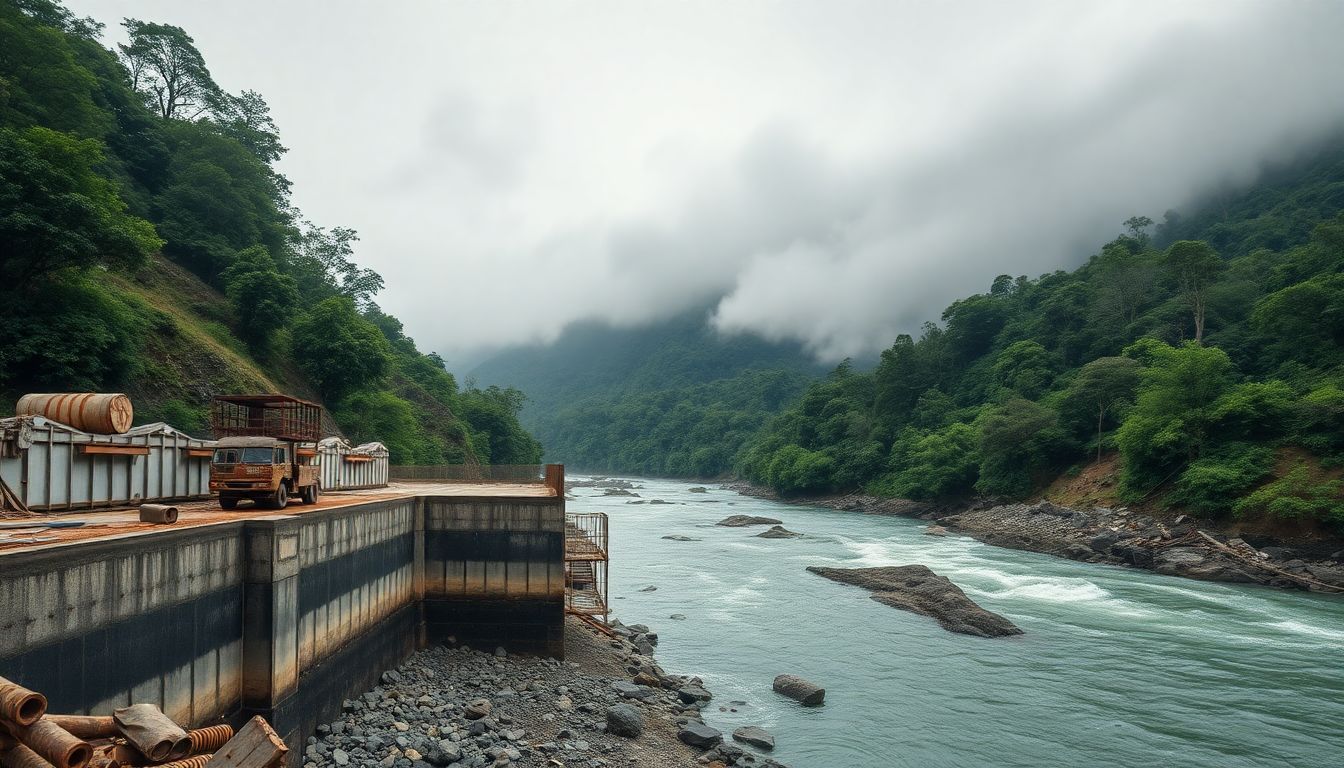
The Karnataka Renewable Energy Development Limited (KREDL) has cancelled 386 out of 519 allotted small hydel power projects, including multiple ventures linked to a Bengaluru businessman, according to official data compiled up to May 31. The massive cancellations occurred after private developers failed to commission their projects, largely due to difficulties in securing environmental clearances in ecologically sensitive areas.
Out of the 519 projects allotted in the state, only 108 were successfully commissioned, generating 943 MW of power against an allotted total of 3,198 MW. The state's total installed capacity across 133 active small hydel projects currently stands at 1,284 MW. The highest number of allotments occurred during 2022-2023, where 220 out of 225 allotted projects were cancelled, leaving only five commissioned.
KREDL Managing Director K P Rudrappaiah stated that allotments were cancelled for companies that failed to initiate their projects over long periods. He noted that many projects were located in the Western Ghats and failed to obtain required forest and environmental clearances.
Among the prominent failures were 11 projects allotted to nine firms linked to Bengaluru businessman Vignesh Shishir and his family. These projects, representing 84 MW of capacity, were all cancelled between 2014 and 2018. The firms, which include Parpikala Power, Pushpagiri Power, and Davanagere Power, are currently under investigation by the Karnataka Police for allegedly laundering funds.
Another major defaulting firm was Bhoruka Power Corporation, which saw 11 of its projects cancelled. Historically, developers were attracted to the sector by Central government subsidies of up to Rs 5 crore per project and guaranteed power purchase rates, but many failed to translate these incentives into operational plants.
These cancellations serve as a cautionary lesson for the Central Government's new Rs 2,584-crore initiative cleared in March. The national push aims to install 1,500 MW of small hydro power through private participation. To prevent similar failures, KREDL officials noted that the new Central initiative requires private firms to secure power purchase agreements with state governments beforehand.