KSPCB issued just 149 plastic industry closure orders in ten years, drawing criticism
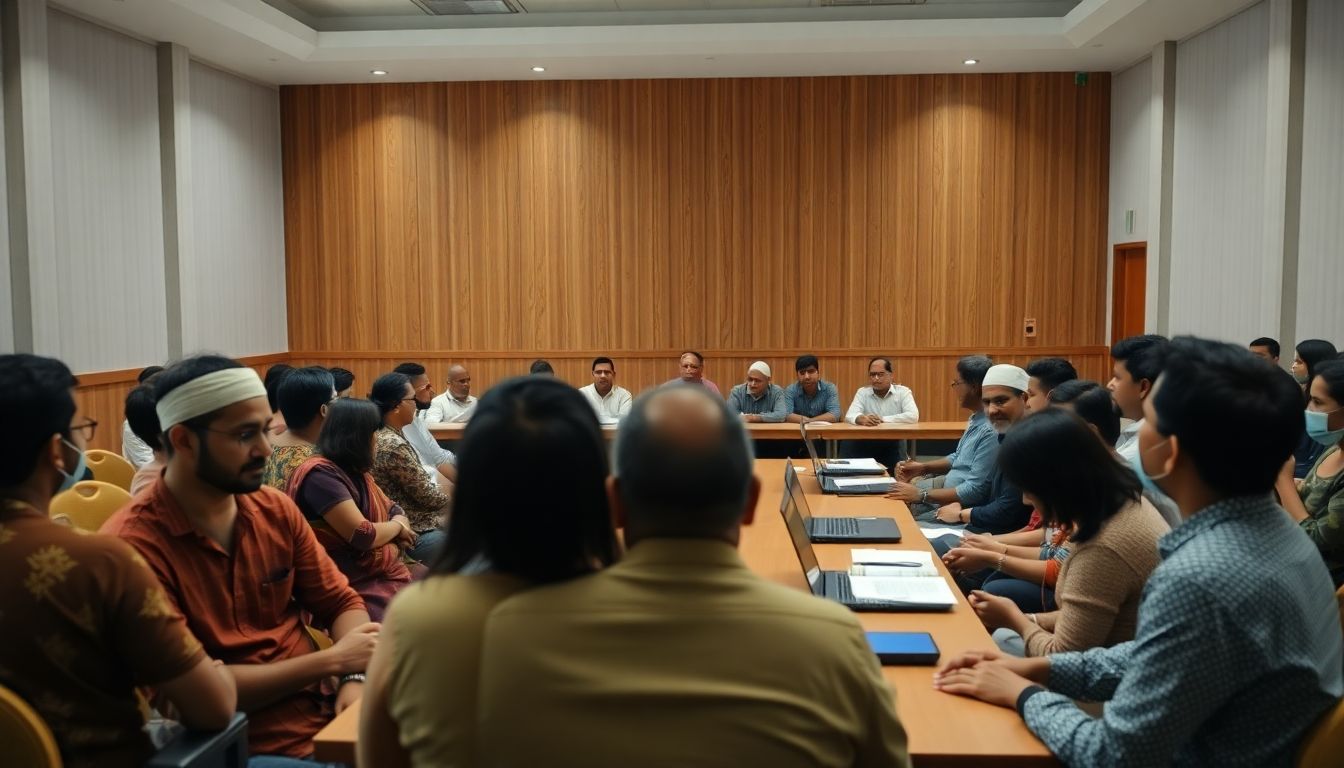
The Karnataka State Pollution Control Board (KSPCB) has informed the National Green Tribunal (NGT) that it has issued only 149 closure directions to industries across the state over the last 10 years under the single-use plastic ban. The disclosure has drawn sharp criticism from environmental volunteers and experts in Bengaluru, who point out that the average of fewer than 15 shutdowns per year is far too low to curb the widespread availability of banned plastic products.
The ban on single-use plastic has been in force in Karnataka since 2017, following the Plastic Ban Notification issued by the state government in March 2016. In its report filed before the tribunal, the KSPCB stated that it has been carrying out regular raids in coordination with local bodies to enforce the prohibition.
For the year 2024-25 alone, the Board reported conducting 18,111 inspections and imposing fines amounting to Rs. 63.78 lakh. The report also noted that Karnataka currently has 135 registered recycling units with an authorized recycling capacity of nearly 6 lakh metric tonnes per annum.
Despite these inspection figures, plastic pollution experts argue that the enforcement remains too weak to address the scale of the plastic crisis.
Odette Katrak, Founder of Beautiful Bharat, described the 149 closure directions as a paltry number. Katrak noted that while shutting down manufacturing units sounds encouraging, averaging barely 15 closures every year is nowhere close to the level of enforcement needed to tackle the problem.
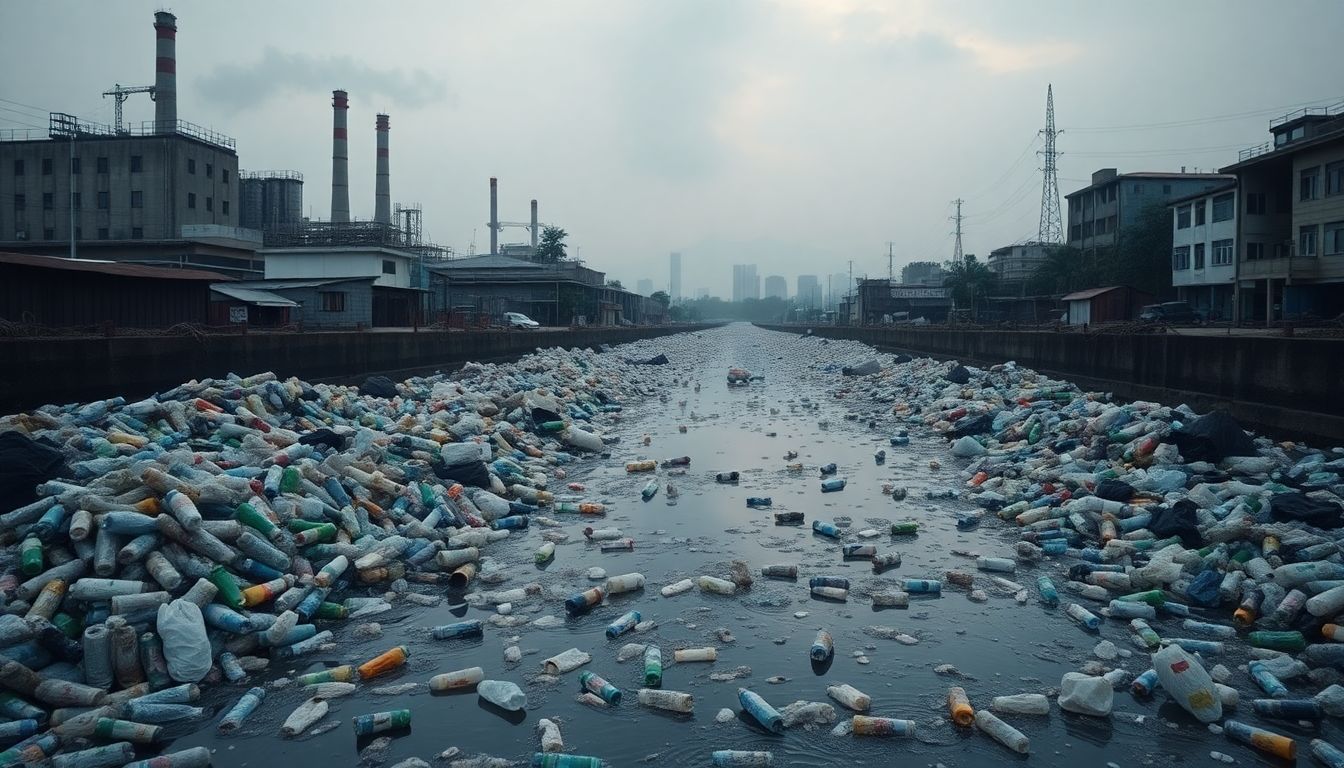
Volunteers working to eliminate banned single-use plastic in Bengaluru stated that prohibited plastic products and non-woven polypropylene (NWPP) bags continue to be widely available across the city. They argued that the small number of closure orders allows manufacturers, wholesalers, and retailers to continue operating without fear of action.
According to Katrak, the widespread availability of these products suggests that the supply chain remains largely untouched by enforcement. Experts believe that in addition to stopping supply at the source, authorities should penalize consumers carrying plastic bags with a modest fine, such as Rs. 100, to drive real behavioral change.