NGT Orders State Authorities to Submit Hennagara Lake Pollution Reports
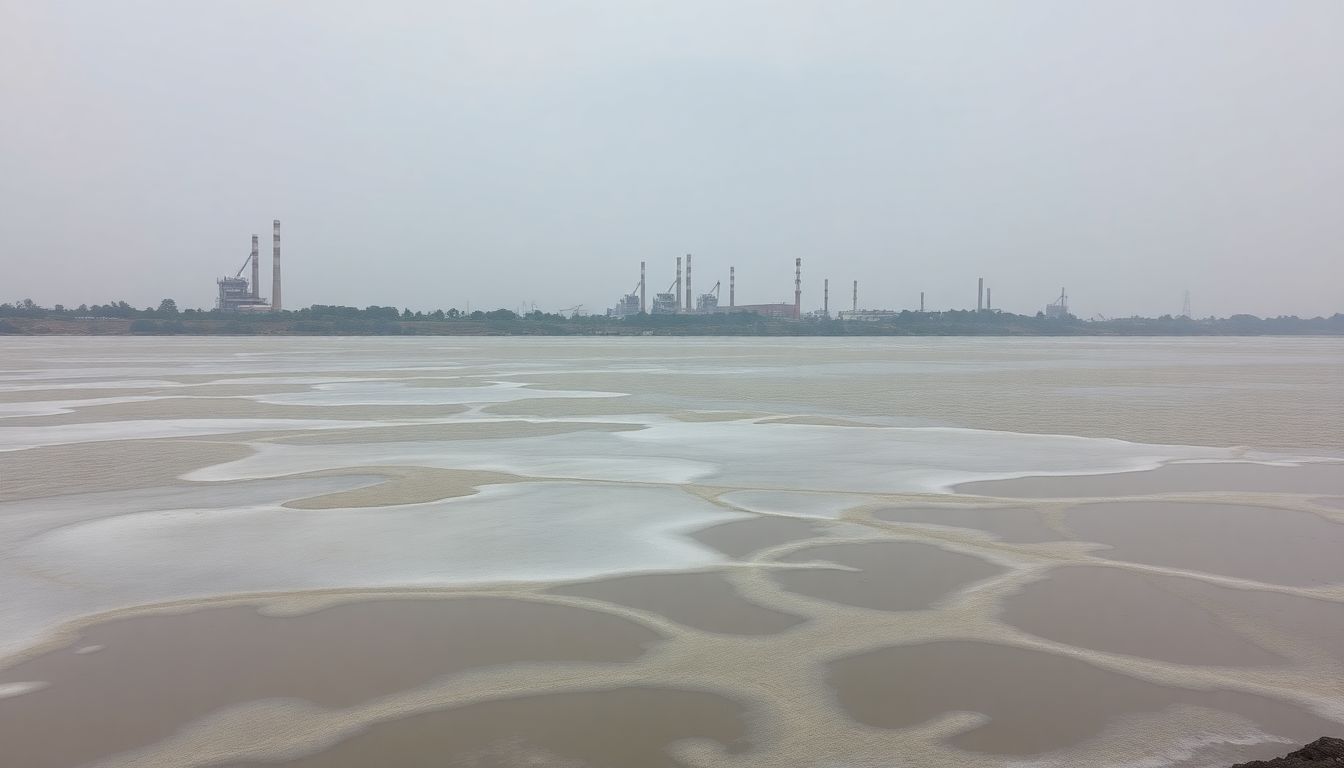
The National Green Tribunal (NGT) has directed the Karnataka State Government, the Urban Development Department, and the Karnataka Industrial Areas Development Board to file their reports within three weeks regarding ongoing pollution in Hennagara Lake, located near the Jigani Industrial Area in south Bengaluru. The tribunal issued the order following repeated delays by government authorities in submitting required reports on the lake's contamination.
The legal matter regarding the polluted water body has remained pending before the NGT for three years. The issue was first brought before the tribunal in 2023 by a citizen, H J Prasanna Kumar, who filed a petition seeking directions to stop the discharge of untreated sewage and effluents from residential areas and industries into the lake.
In June 2025, the NGT’s southern bench took up an application filed by residents of Masthenahalli, the VrikshaMitra Foundation, and the Jal Thal Foundation over the lake's degradation. The petition alleged that industrial effluents and sewage from the Jigani Industrial Area had turned the water black, emitted a foul odour, and created health hazards.
Following the proceedings, the tribunal directed the Karnataka State Pollution Control Board to inspect Hennagara Lake and submit a report outlining legal violations, actions taken against non-compliant entities, and pollution control measures. Notices were also issued to the Karnataka Tank Conservation and Development Authority and the Minor Irrigation Department.
Despite the legal intervention, residents reported that untreated sewage continues to flow unchecked into the lake. Tushar Chandra, an area resident and founder of the VrikshaMitra Foundation, stated that the water body is currently saved only by its large surface area, which dilutes inflowing pollutants.
Local residents recently met with environmental experts who noted that water hyacinth now covers nearly half of Hennagara Lake. According to experts, removing the invasive plant could help control pollution and conserve water, as water hyacinth increases evaporation rates by more than five times.