Pollution in Dakshina Pinakini River Threatens Kadugodi Residents and Milk Supply
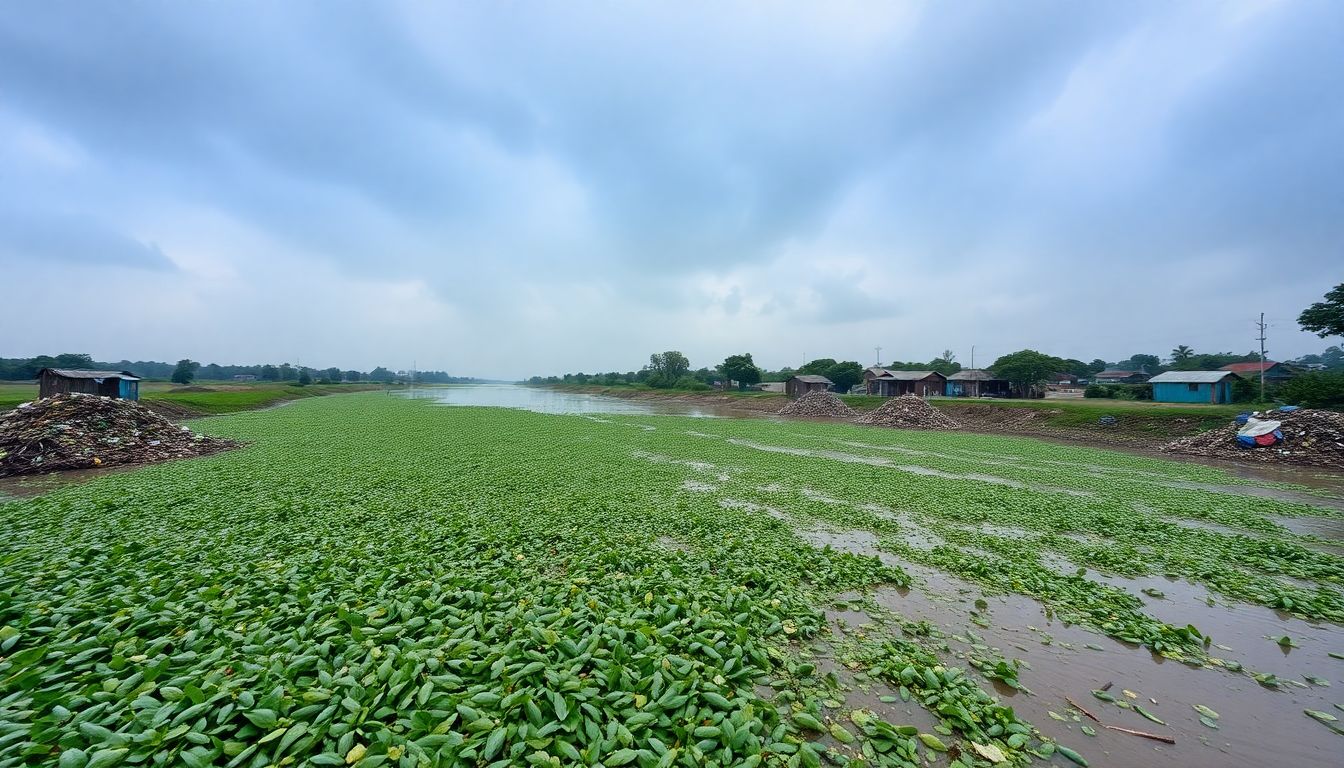
The Dakshina Pinakini River near Siddhartha Layout in Kadugodi has deteriorated into a heavily polluted swamp choked by solid waste, raw sewage, and industrial effluents. Once a clean, seasonal water source used by locals for swimming and farming, the river has transformed into a perennial flow of wastewater, posing severe health and environmental risks to the local community.
A sprawling garbage dump now lines the riverbank, with sacks of domestic waste spilling directly into the water, which is almost entirely covered by a dense carpet of water hyacinth. Additionally, a row of makeshift toilets along the concrete wall of the Rajakaluve discharges raw sewage directly into the channel feeding the river.
Local residents have witnessed the drastic transformation of the river over the decades. Hemanth, a 39-year-old resident who was born and raised in the area, recalled swimming in the river as a child, which is no longer possible. Another resident, Ratnamma, noted that the river was previously used for washing clothes and irrigation when it filled seasonally with rainwater. Today, the flow is continuous but consists entirely of sewage.
According to urban planner and water expert Vishwanath S., domestic sewage entering through the Varthur series of lakes remains the primary pollutant. He noted that illegal effluent discharge from small industrial units is also on the rise. Furthermore, the construction of bypass channels around the Bellandur and Varthur lakes has eliminated their role as natural filters, redirecting the full pollution load directly into the Dakshina Pinakini.
Solid waste management remains a critical issue. The Bengaluru East Corporation recently seized six trucks caught dumping garbage in areas adjacent to the river. While legal proceedings have been initiated against those involved, including landowners who permitted dumping, the mounds of domestic waste, plastics, and construction debris continue to grow.
The pollution also threatens the safety of the local food chain. Many families in the area rear cows and sell milk to cooperative societies feeding into the Karnataka Milk Federation (Nandini). Nirmala Gowda, a researcher and founder of Mapping Malnad, warned that burning solid waste in the catchment areas releases toxic chemicals like dioxins. These chemicals wash into the river, where grazing cows ingest them, potentially transferring the toxins into the milk supply.
An April 2024 study on wastewater usage in the Bengaluru Urban district documented that the river water is no longer suitable even for cattle to drink, identifying local consumers, farmers, and cattle herders as key risk groups.