School Education Department to Save Rs 30 Crore in Centralized Shoe Procurement
The School Education Department has officially transitioned back to a centralized tender system for the procurement of shoes and socks for government school students this academic year. This administrative decision is projected to save the department nearly Rs 30 crore from its initial budget.
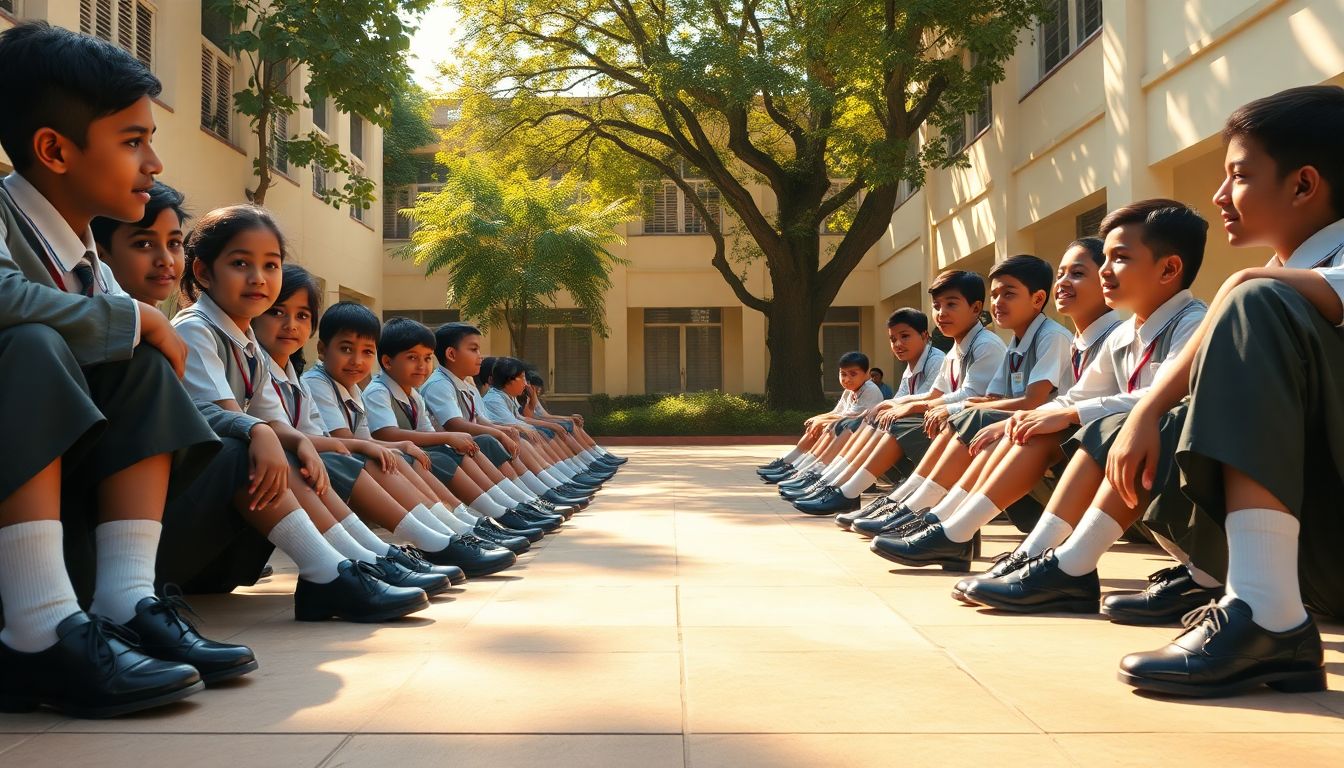
The department is responsible for providing footwear to a total of 36.56 lakh government school students. These students are spread across various district, taluk, and school levels. Under the Vidya Vikasa scheme, the procurement of shoes and socks was initially budgeted at around Rs 104 crore.
Previously, the budget allocations of funds for the footwear varied depending on the class of the students. However, the department has now selected a single supplier through a competitive tender process. This supplier will provide the shoes and socks at a uniform price of Rs 195 per set, which has significantly reduced the overall procurement cost.
To execute the distribution smoothly, the School Education Department has issued directives to committees at multiple administrative levels. District-level committees, taluk-level committees, and school-level committees have all been instructed to oversee the logistics. Their primary responsibility is to ensure that the shoes and socks successfully reach all government schools.
The department has set a strict deadline of July 31 for the footwear to be delivered to the schools. In addition to ensuring timely delivery, department officials have emphasized that the shoes and socks will undergo multiple checks. These quality control measures are designed to ensure that the footwear provided to the students meets the required standards.
The transition to a single supplier at a uniform price of Rs 195 per set marks a major shift from the previous class-based budget allocations. By consolidating the purchasing power for 36.56 lakh students under the Vidya Vikasa scheme, the department expects to achieve both financial savings and uniformity in the items distributed.