Study Finds 54 Percent of Varthur Lake Catchment Area Severely Eroded
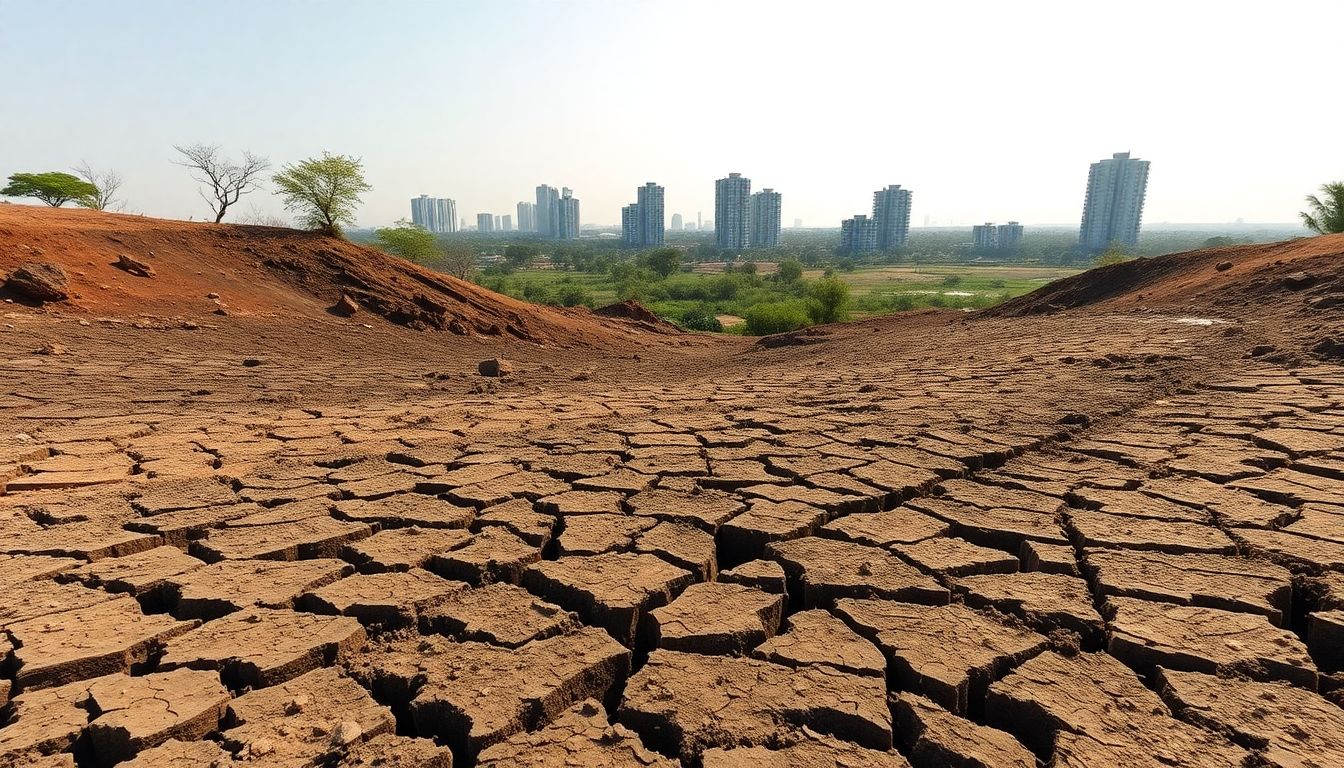
A recent study by researchers from Bangalore University has revealed that nearly 54 percent of the Varthur Lake catchment area in Bengaluru has reached an advanced stage of geomorphic degradation. The study identified several specific sub-watersheds—including Puttenahalli, Yelenahalli, Vasantnagar, Ashok Nagar, HAL Airport, Binnamangala, and Shivajinagar—as the most erosion-prone zones. This severe erosion has significantly reduced the soil's capacity to absorb rainwater and recharge the local groundwater table, threatening to worsen the region's long-term water crisis.
According to the researchers, Varthur is one of Bengaluru's most stressed water bodies. It is located in a rapidly urbanising area where natural drainage paths have been substantially altered by roads, culverts, stormwater drains, and channelised lake outflows. The study warned that rapid urbanisation compacts the soil, reduces rainwater absorption, and increases surface runoff, which further accelerates soil erosion.
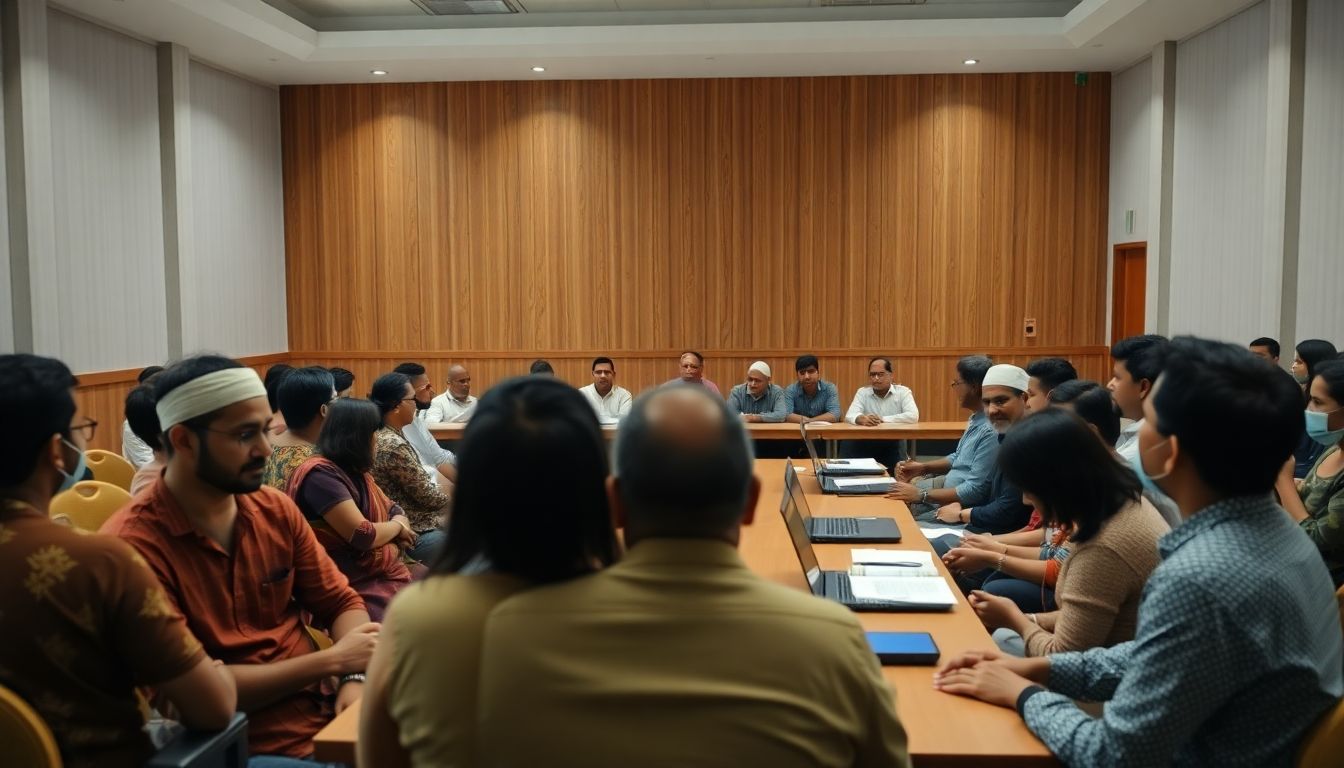
The research team, which included Prof Muni Krishna L, a research scholar in the Department of Geology at Bangalore University and a professor at Vemana Institute of Technology, highlighted the hydrogeological vulnerability of the area. Prof Krishna explained that the catchment is under heavy urban pressure and relies heavily on monsoon recharge.
Because the Varthur catchment area features steep slopes, active stream networks, and low water absorption capacity, rainwater currently flows over the surface as runoff rather than soaking into the ground. To counter this, the study recommended immediate soil conservation measures to curb topsoil loss and enhance groundwater recharge.
The experts urged the implementation of several targeted restoration measures. These include building small check dams, gabions, and bunds to slow the flow of water. They also recommended planting grass and other vegetation along natural drainage channels to reduce the force of flowing water and minimise erosion.
On sloping agricultural and open land, the study suggested building contour bunds or terraces to slow rainwater runoff, allowing more water to seep into the soil. Restoring tree cover and vegetation on degraded land was also highlighted as a key measure, as plant roots help bind the soil.
Additionally, the researchers called for stricter regulation of construction and land-use changes in these vulnerable sub-watersheds to protect the city's depleting groundwater resources.