Tarahunse residents oppose proposed Rs 76.4 crore waste recovery plant
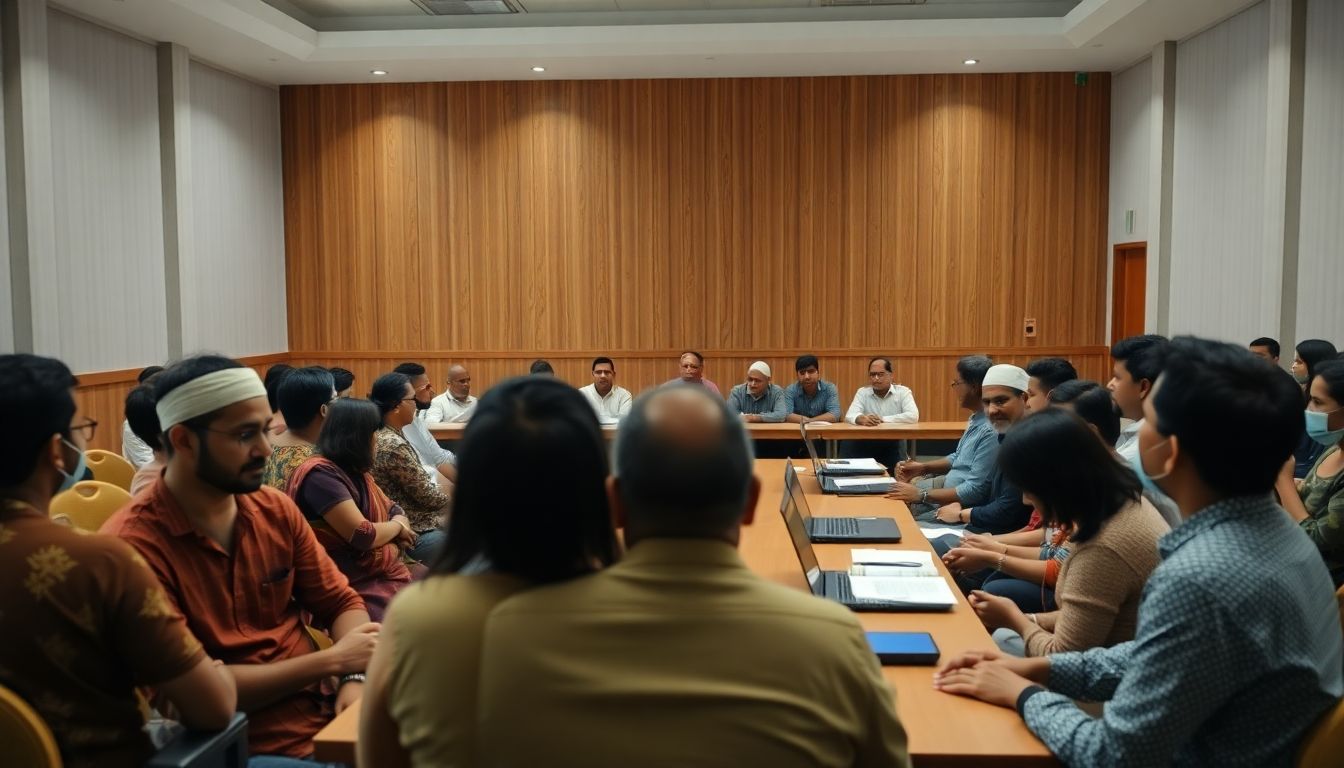
Local residents and the Bettahalasur Gram Panchayat in Tarahunse, on the outskirts of Bengaluru, have officially opposed a proposed Rs 76.4 crore Material Recovery Facility (MRF). The local panchayat passed a formal resolution rejecting the project and urged the state government to scrap the tender, citing severe threats to groundwater, agriculture, and public health.
The proposed facility, planned by Bengaluru Solid Waste Management Ltd (BSWML), is designed to be the city's largest waste recovery plant, processing up to 826 tonnes of waste daily. It is part of a larger Rs 125.5 crore initiative by BSWML to set up three such facilities. The other two plants, planned for Subbarayanapalya and Doddabidarakallu, are designed to handle 200 tonnes of waste each day.
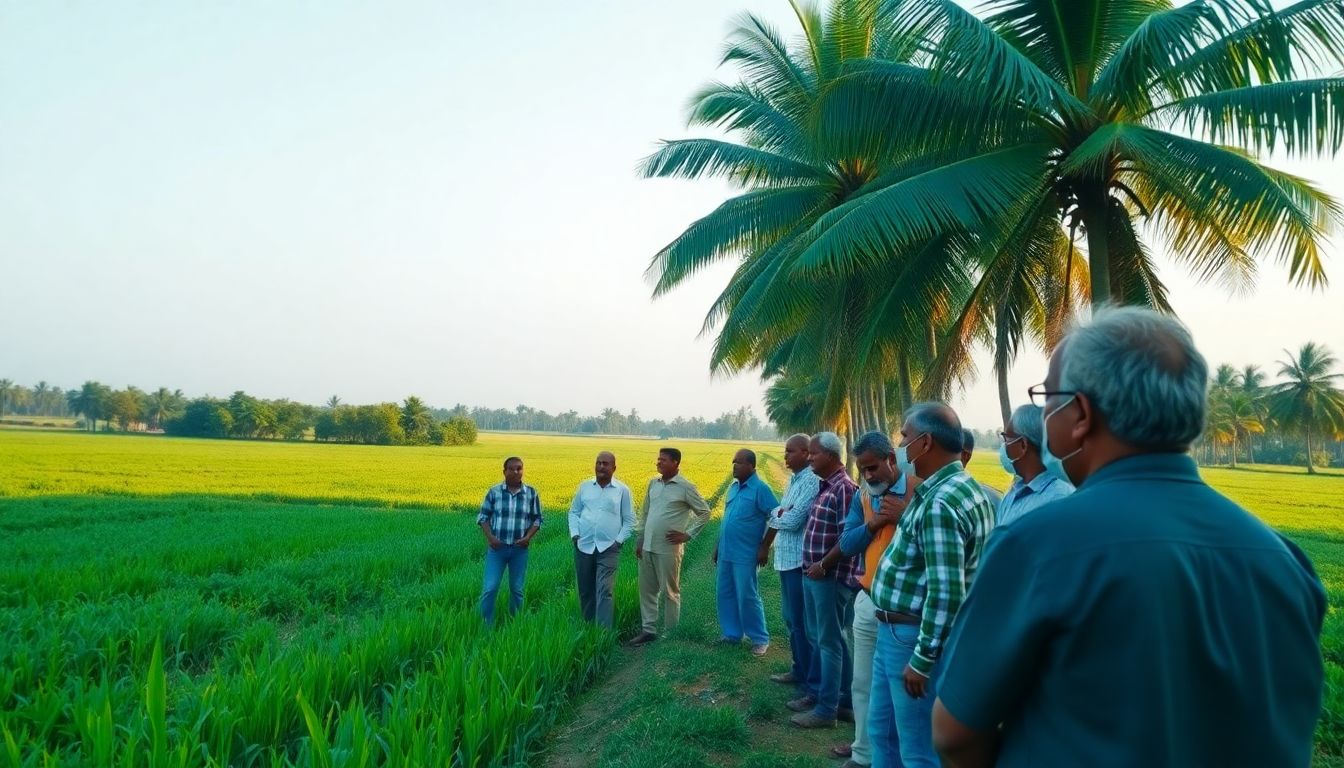
Local farmers and residents in Tarahunse have submitted formal objections to the government, warning of potential protests and legal action if the project proceeds. They expressed concerns that toxic leachate from the massive plant could contaminate groundwater, disrupt drinking water supplies, and damage local farmlands where fruits and vegetables are cultivated.
The region's dairy farming sector, which serves as a primary source of livelihood for many local families, is also threatened by the project, residents said.
Additionally, residents pointed out that the proposed site lies directly within the flight path of Kempegowda International Airport. They warned that waste accumulated at the facility could attract birds, creating a potential bird-hit hazard for aircraft. Locals also alleged that authorities floated the tender without conducting any public consultations or releasing an environmental impact assessment to the community.
TR Kavitha, a resident of Tarahunse, highlighted that the village falls under the Arkavathy basin, which is an environmentally sensitive region. Kavitha suggested that the government should instead convert abandoned quarries in the area into water reservoirs to address local water issues, rather than bringing Bengaluru's waste to the locality.