Two Arrested in Shivamogga for Duping Banks of Lakhs with Fake Gold
The Shivamogga police have arrested two individuals in Shivamogga district for their involvement in a fraud network that cheated nationalised and cooperative banks of Rs 27-28 lakh by pledging fake gold ornaments to secure loans. The arrests of B J Lokesh, 39, and H Sudha, 35, both residents of Shivamogga, were announced on Sunday.
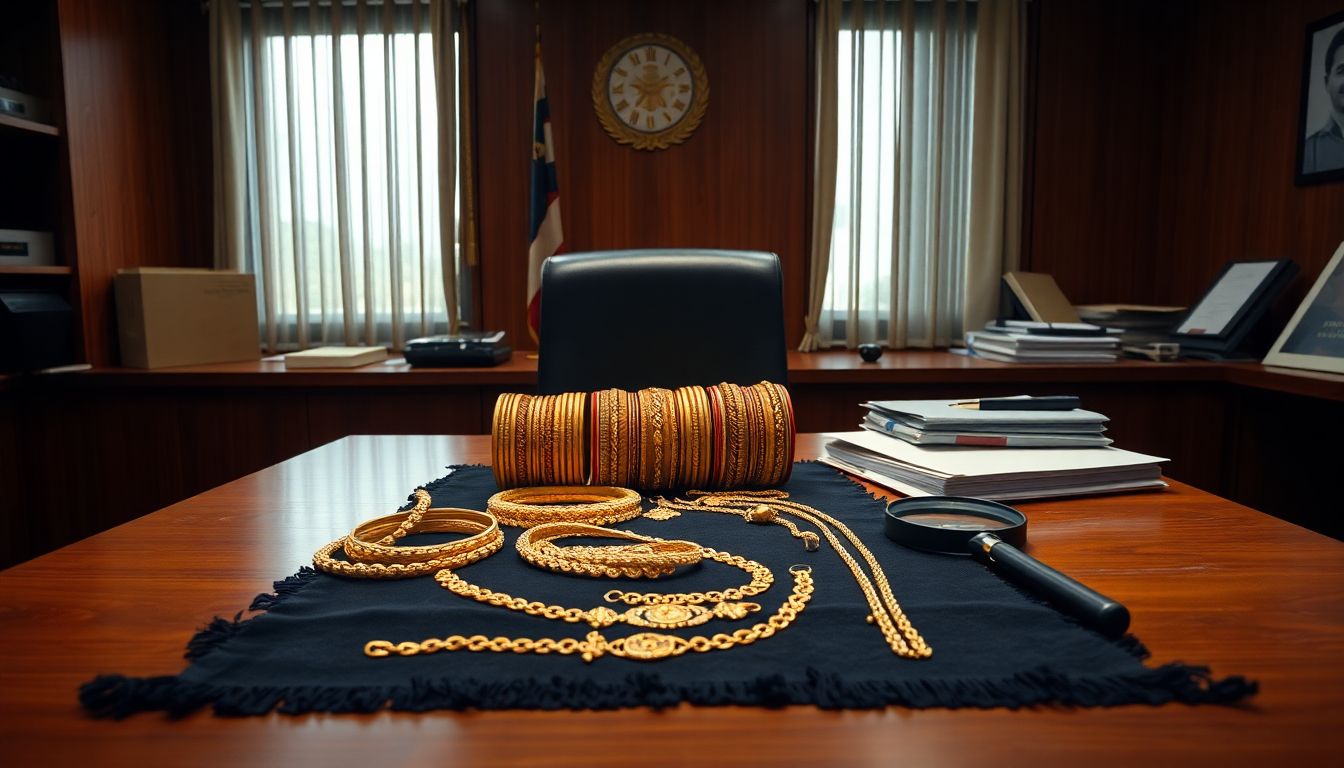
The Doddapete police registered the case following a complaint filed by a manager of Punjab National Bank. The police seized ornaments weighing 419 grams, which had been pledged for loans worth lakhs of rupees.
According to Shivamogga Superintendent of Police Nikhil B, the fraud had been operating quietly for more than a year and involved an inter-state network. The police have launched a manhunt for three other suspects: S Y Ravishankar, a gold appraiser at Punjab National Bank; Rahul, 26; and Sharath, 35, who runs a jewellery store.
The fraud came to light when the banks attempted to auction the pledged gold ornaments after the borrowers failed to repay the loans. During the auction process, machine tests revealed that the ornaments had only a 10 per cent gold coating.
Police officials stated that the suspects specifically targeted banks that conducted only basic acid tests to verify gold. Acid tests do not provide clear details about the actual amount of gold inside an ornament. To further deceive the bank staff and appraisers, the fraudsters affixed fake hallmark stamps to the ornaments, allowing the loans to be sanctioned without raising suspicion.
Investigators revealed that Sharath reportedly flew the fake gold-coated ornaments from Chandigarh. He did not approach the banks directly, instead using Rahul and Lokesh to pledge the items and secure the loans.
Superintendent Nikhil B noted that the case exposes vulnerabilities in current bank procedures. He advised financial institutions to upgrade their gold-testing methods and use machine tests rather than relying solely on acid tests to prevent such frauds in the future.