WELL Labs launches five-stage framework to rejuvenate Bengaluru lakes
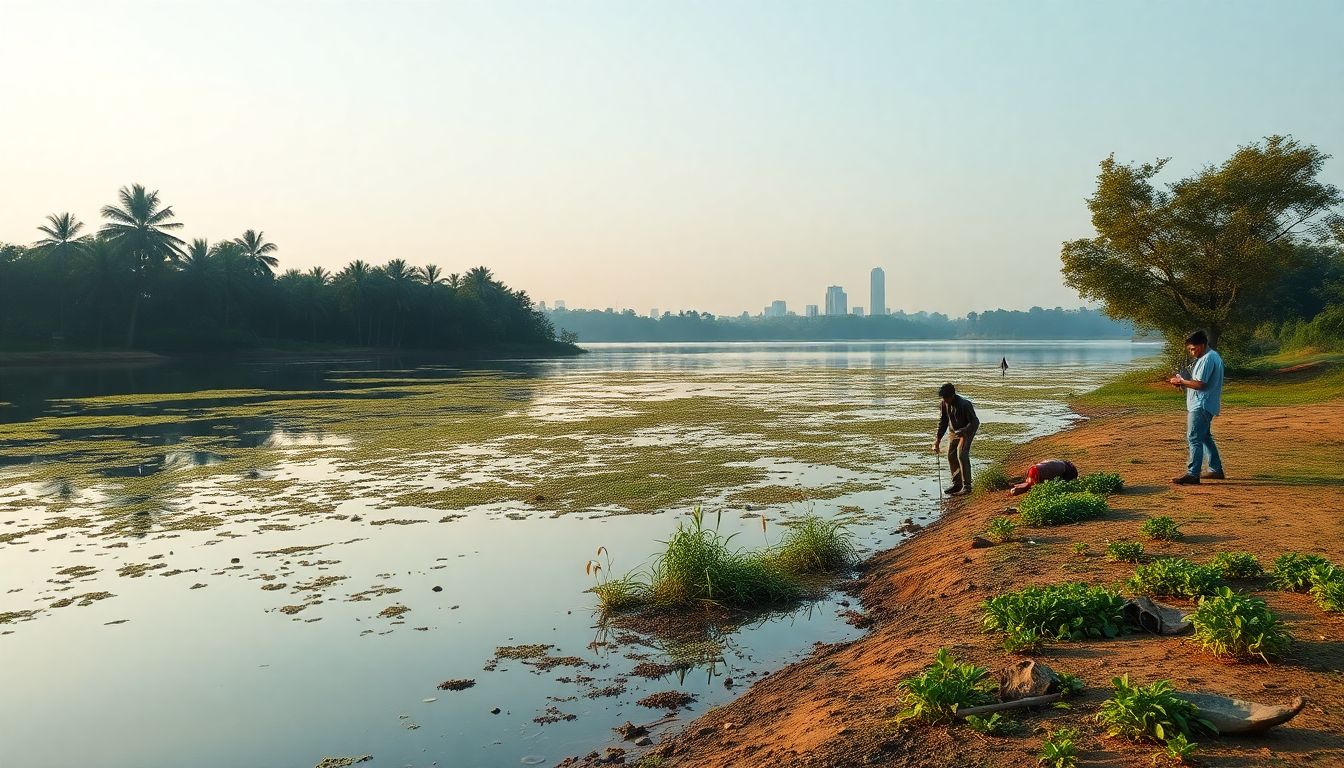
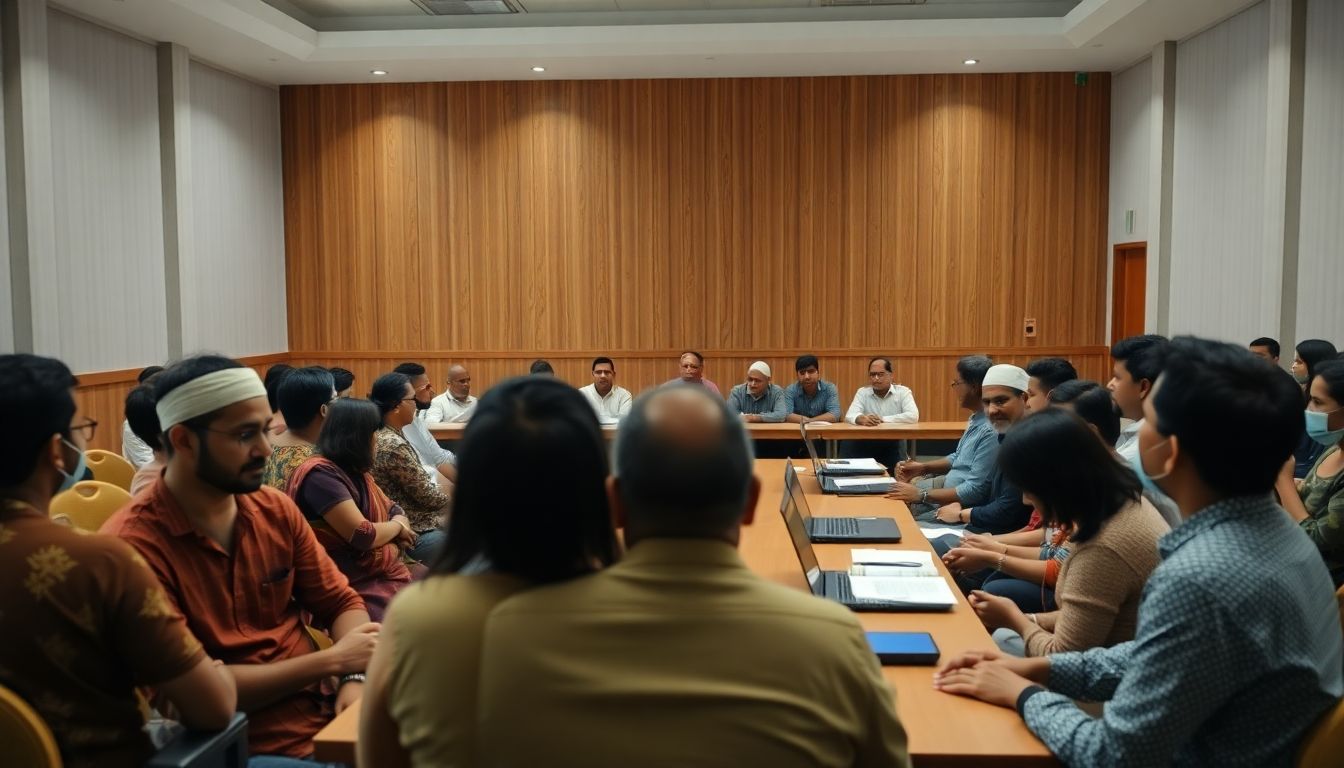
On July 19, a coalition led by WELL Labs and Friends of Lakes launched a new science-led, five-stage framework for lake rejuvenation in Bengaluru. The initiative aims to move beyond simple desilting and weed removal to sustainably restore and maintain the ecological health of the city's urban and peri-urban lakes.
The newly launched framework proposes a structured process covering five key stages: diagnosis and visioning, design, implementation, operation and maintenance, and monitoring and evaluation. The initiative was developed in collaboration with a coalition of research institutions, civil society organisations, government agencies, and citizen groups.
According to the framework, restoring Bengaluru’s lakes requires a deeper understanding of each waterbody's ecological character, the needs of surrounding communities, and long-term care. The guide defines lake rejuvenation as improving the condition and functioning of a lake while ensuring the process remains practical and community-inclusive.
Veena Srinivasan, Executive Director of WELL Labs, stated that the framework was developed to create positive engagement and ease negotiation, rather than allowing people to bulldoze decisions.
The framework advises that the first step in any rejuvenation project is to understand the specific purpose of the lake, such as reducing flooding, recharging groundwater, supporting ecological functions, providing water for indirect reuse, or serving as a community space. This defined purpose should then guide the entire rejuvenation plan.
Experts involved in the framework stressed that lakes should not be treated with a one-size-fits-all approach due to differing environmental conditions and community needs. They highlighted that the success of a lake project should not be measured solely by water storage capacity, but must also consider water quality, ecology, and the wider impact on the surrounding area.
The framework document emphasizes the necessity of collecting baseline data before starting a project and ensuring that monitoring methods are decided during the planning stage. It also recommends looking at lakes as interconnected systems, noting that work done in one location can affect downstream areas.
Currently, the document covers diagnosis and visioning, design, and monitoring and evaluation. It is intended to be a living framework that will be updated based on feedback, with sections on implementation and operation and maintenance set to be strengthened through field experience.