Bengaluru Grocery Prices Soar as Weak Monsoon Triggers Food Inflation
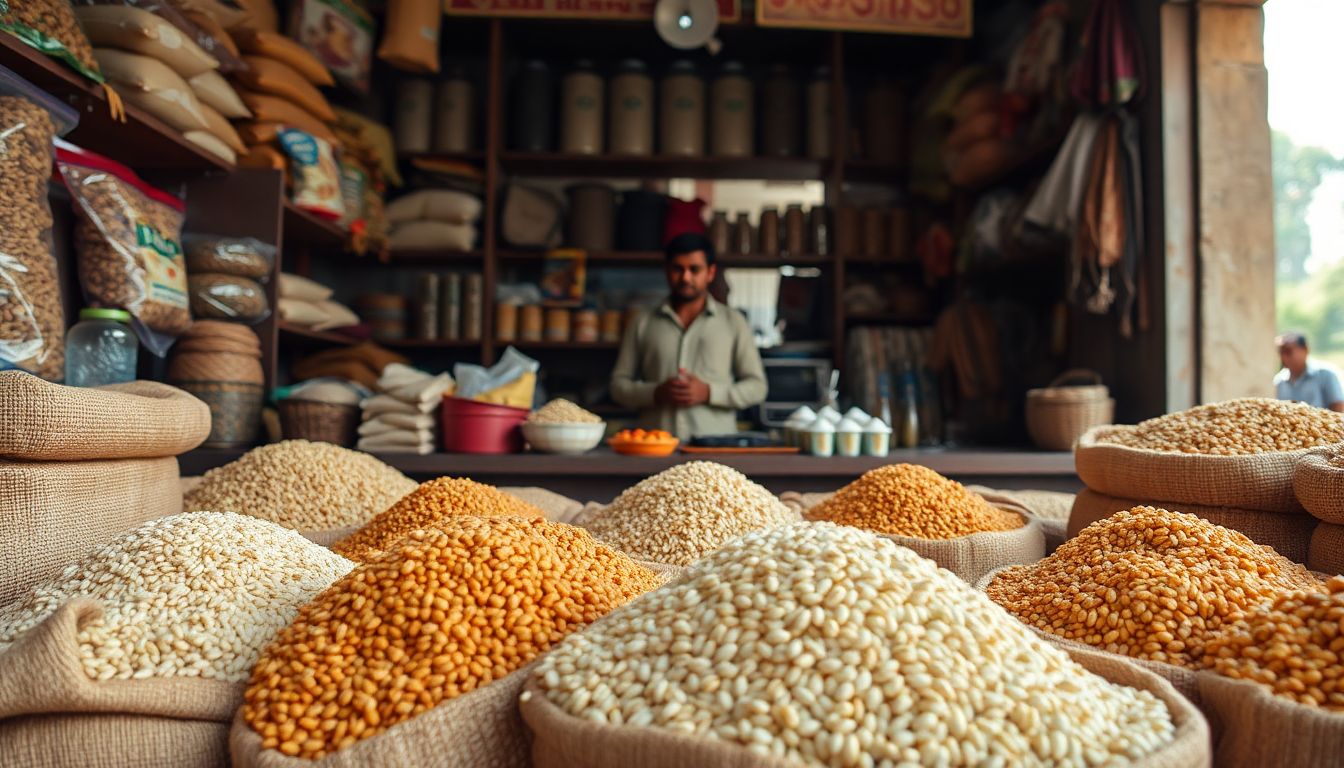
Grocery bills in Bengaluru have soared over recent weeks as a weak monsoon and drought fears trigger significant price hikes for staple foods across the city's wholesale and retail markets. Essential items such as rice, sugar, pulses, and groundnuts have all grown costlier after inadequate rainfall left key reservoirs low, prompting the Karnataka state government to prioritize drinking water over irrigation.
Rice prices have climbed by Rs 6 to Rs 10 per kg in recent weeks. Popular varieties like Sona Masuri and RNR Sona are now retailing between Rs 52 and Rs 59 per kg, up from their previous levels in the mid-Rs 40s. This surge is driven by a Rs 600 to Rs 800 per quintal rise in raw paddy costs over the last two months.
Other staples have seen similar hikes. Sugar prices have jumped from Rs 43–45 per kg to Rs 55–58 per kg. Urad dal is now retailing at Rs 150–160 per kg, up from Rs 135–145, while groundnut prices have risen from Rs 65–70 to Rs 80–83 per kg. Additionally, jowar has increased from Rs 110–120 to as high as Rs 146 per kg.
The price hikes follow a weak monsoon that has failed to adequately fill major reservoirs supporting Karnataka's primary paddy-growing regions, such as the Bhadra, Tungabhadra, and Cauvery. With water scarce, the state government's decision to prioritize drinking water has led farmers and millers to fear a major hit to paddy cultivation this season.
Traders in Bengaluru report that lower arrivals and crop uncertainty have severely tightened supplies. Some farmers are holding back their stocks in anticipation of even higher prices if the weak rainfall continues, while wholesalers have begun building up inventories to prevent supply disruptions later in the year.
"The market has turned cautious. Farmers are not rushing to sell because they expect prices to increase further if rainfall continues to remain weak. At the same time, wholesalers are stocking up to avoid supply disruptions later in the season," said Vinayaka Kiran, a wholesale trader.
A rice mill owner from Anandapura in Shivamogga noted that water shortages had already impacted the summer paddy crop in the Tungabhadra command area, and the current monsoon uncertainty is driving paddy prices up further.
Industry insiders also warned that speculative buying could worsen the situation, as some traders have started purchasing and storing paddy, potentially creating artificial shortages.
Geetha Krishna, a Bengaluru homemaker, noted that the impact on local families is immediate, with every grocery visit becoming more expensive.