GBA identifies 22,732 tonnes of illegal construction debris across Bengaluru
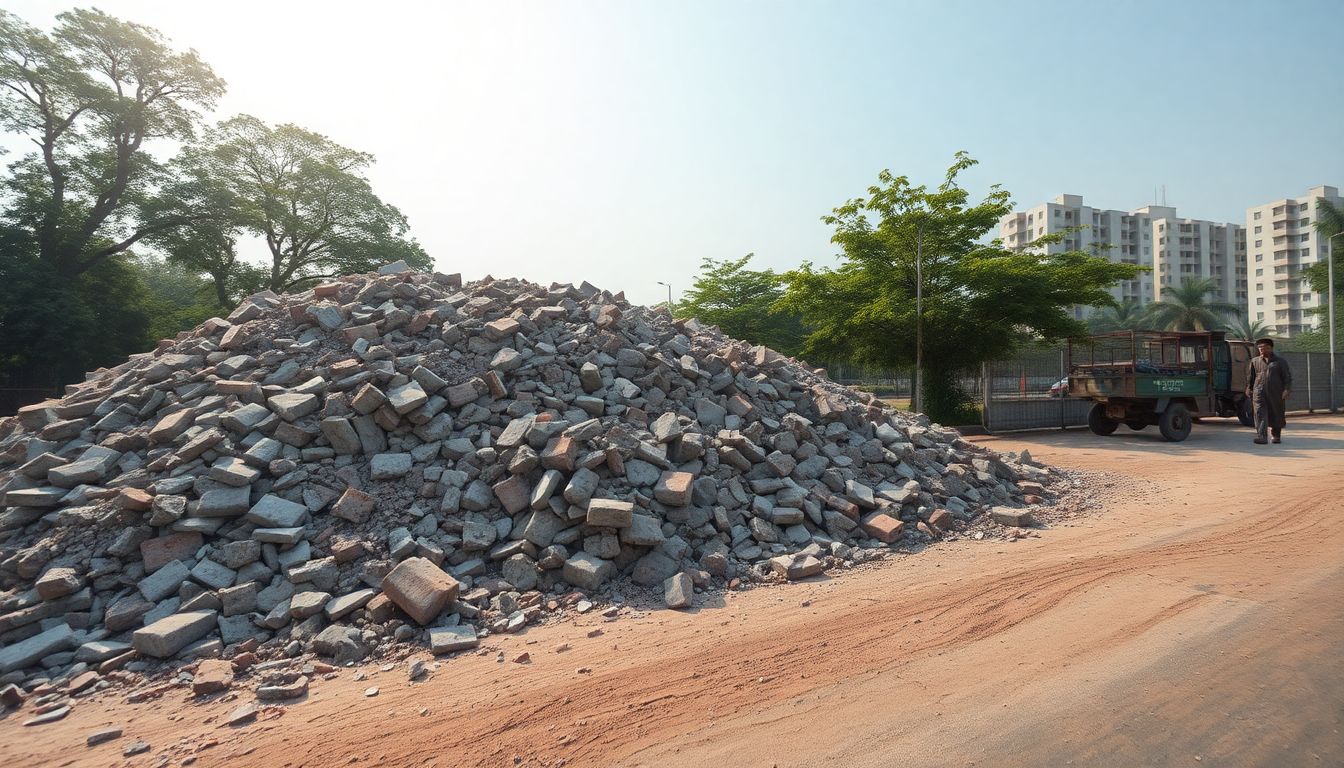
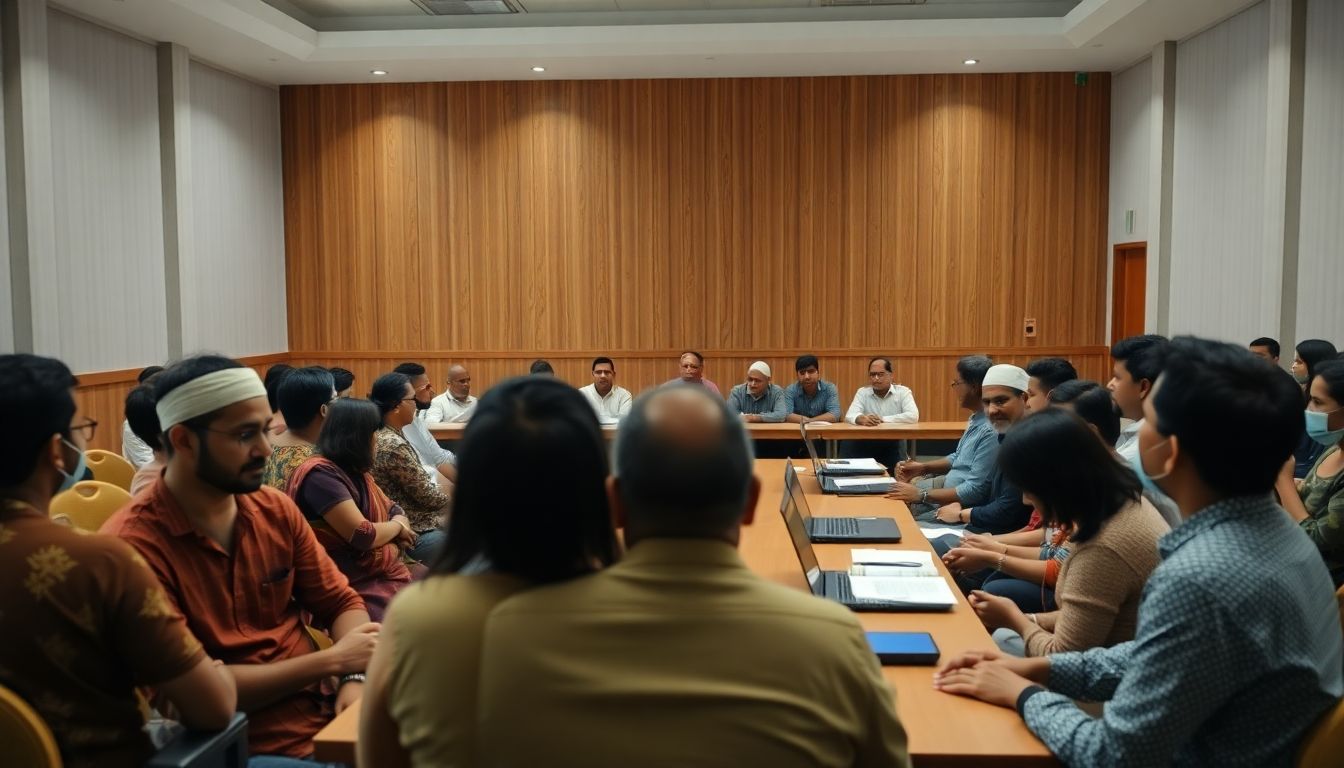
The Greater Bengaluru Authority (GBA) has identified 22,732 tonnes of illegally dumped construction and demolition waste across 1,616 locations in Bengaluru, with the West Zone emerging as the city's largest rubble hotspot. The data was reviewed during a meeting chaired by Chief Minister DK Shivakumar with civic commissioners and officials.
The survey revealed that the West Zone contributed the highest quantity of debris, with 7,958 tonnes of construction waste scattered across 420 locations. The East Zone ranked second, accounting for 6,950 tonnes of waste across 228 locations. Although the East Zone had fewer dumping points than the West, its average volume of waste per site was significantly higher, indicating larger illegal dumping operations.
The North Zone registered 3,714 tonnes of debris across 319 locations, followed by the South Zone, where officials identified 2,605 tonnes of construction waste at 334 locations.
To address the issue, Bengaluru Development Minister Krishna Byregowda announced that a special cleanliness drive would be launched throughout August. Coinciding with Independence Day celebrations, the drive aims to remove garbage, soil mounds, weeds, and construction debris.
Minister Byregowda directed several government agencies, including the BBMP, K-RIDE, the Railways, and Bengaluru Metro, to coordinate their efforts. Bengaluru Solid Waste Management Ltd. has also been tasked with preparing a comprehensive action plan to clear the identified waste.
In addition to the cleanup, the government is tightening regulations on the transportation of debris. All vehicles transporting construction and demolition waste must now register and install GPS tracking devices to prevent illegal dumping.
Property owners of vacant sites across the five civic zones have also been put on notice. They have been given until August 15 to clear weeds, overgrown vegetation, and accumulated waste from their lands. If they fail to meet the deadline, civic authorities will perform the cleanup and recover the costs by adding them to the property's tax dues.