Karnataka Cabinet Approves Rs 4,500 Crore Overhaul of Bengaluru Waste Fleet
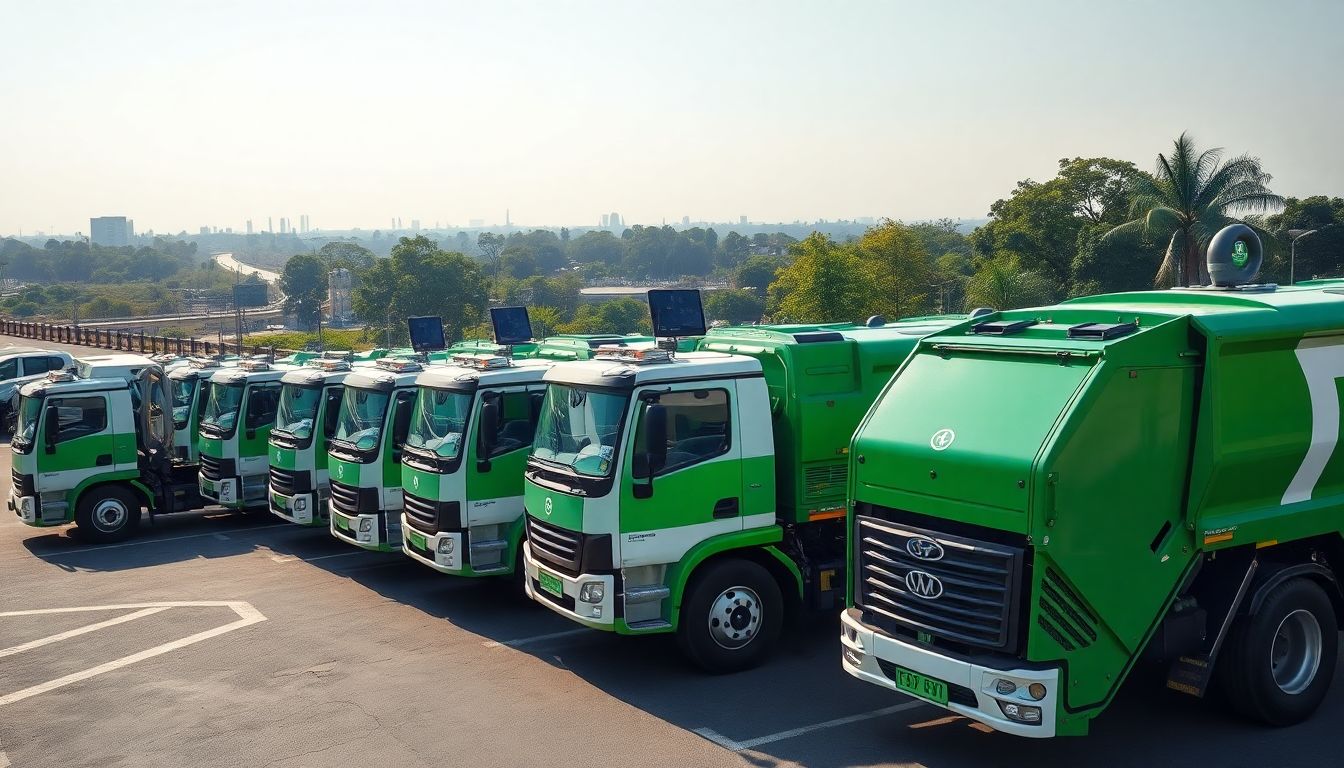
The Karnataka Cabinet has approved a plan to overhaul Bengaluru's waste collection and transportation system under seven-year contracts estimated to cost civic bodies between Rs 4,000 crore and Rs 4,500 crore. The initiative covers 10 new packages in addition to five existing packages across the city's 33 Assembly constituencies.
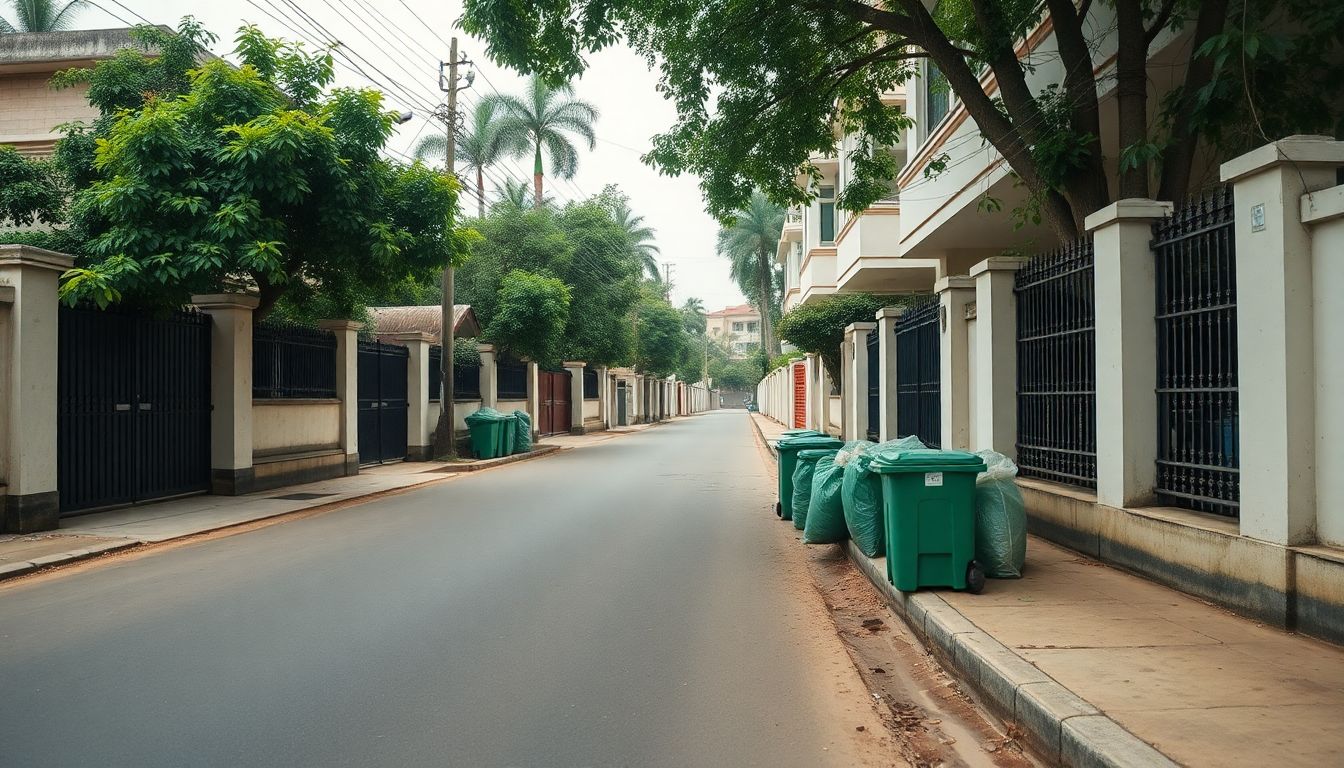
Briefing reporters following the Cabinet meeting, Bengaluru Development and Parliamentary Affairs Minister Krishna Byre Gowda said the contracts will mandate operators to deploy new, higher-capacity vehicles equipped with compulsory GPS tracking systems. The move is aimed at improving door-to-door waste collection and ensuring real-time monitoring across Bengaluru.
Gowda outlined several deficiencies in the current waste management network, pointing out that ageing vehicles, insufficient carrying capacities, and a failure to enforce GPS tracking had weakened operations. He noted that existing vehicles had been procured through piecemeal supply orders rather than a comprehensive tendering process. Although the current vehicles were officially rated to carry one tonne of waste, their functional capacity had dropped to roughly half-a-tonne because of wear and tear, drawing frequent complaints from residents.
The city's existing fleet consists of approximately 5,200 vehicles, including 1,900 three-wheelers, which together provide a carrying capacity of 5,600 tonnes. Under the restructured setup, the total number of vehicles will be reduced to around 4,900, including 3,000 four-wheelers. Despite the smaller fleet size, the overall waste-carrying capacity will expand to 9,000 tonnes. The incoming fleet will include vehicles with carrying capacities of one, three, and five tonnes based on local operational needs.
Regarding procurement costs, Gowda stated that five packages had previously been awarded at 14 per cent above estimated tender costs. After subsequent negotiations, the average premium for the 10 new packages was reduced to 8 per cent. Each private operator will be required to invest approximately Rs 10 crore, an outlay to be recovered over the seven-year contract term.
At present, civic authorities spend about Rs 598 crore annually on waste management, covering door-to-door collection and transit to processing facilities, excluding processing costs. Under the new 33-package structure, annual expenditure is expected to rise to approximately Rs 610 crore.